يوليو 03, 2026Elias Ntezimana
The cell is the basic structural and functional unit of life. Every living organism, from microscopic bacteria to large plants and animals, is made up of one or more cells
عرض المزيد
يوليو 03, 2026Elias Ntezimana
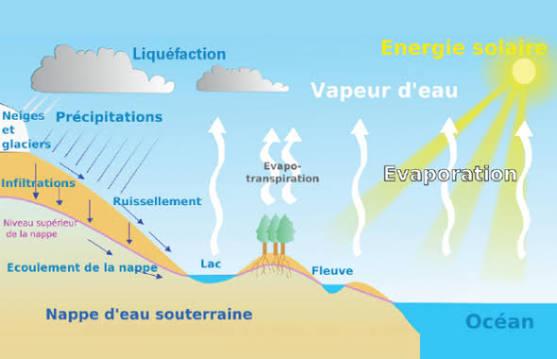
The water cycle, also known as the hydrologic cycle, is a continuous natural process through which water moves between the Earth's surface, the atmosphere, and underground.
عرض المزيد
يوليو 03, 2026Elias Ntezimana
The water cycle, also known as the hydrologic cycle, is a continuous natural process through which water moves between the Earth's surface, the atmosphere, and underground.
عرض المزيد
يوليو 03, 2026Elias Ntezimana
An ecological niche is one of the most important concepts in ecology. It describes the role and position of a species within its environment, including how it obtains food, interacts with other organisms, reproduces, and survives.
عرض المزيد
يوليو 03, 2026Elias Ntezimana
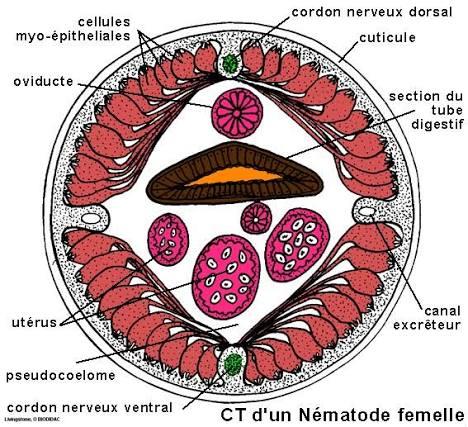
Nemathelminths, commonly known as roundworms, are elongated, cylindrical, unsegmented worms belonging to the phylum Nematoda.
عرض المزيد
يوليو 03, 2026Elias Ntezimana
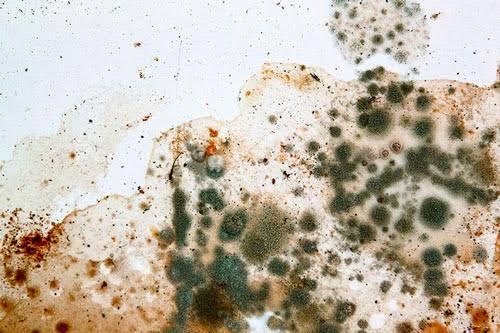
Mold is a type of multicellular microscopic fungus that grows on organic materials under favorable conditions such as moisture, warmth, and poor ventilation.
عرض المزيد
يوليو 02, 2026Elias Ntezimana
Decomposition is a natural biological process through which dead organic matter (plants, animals, and organic wastes) is broken down into simpler substances by the action of decomposers such as bacteria, fungi, and other organisms
عرض المزيد
يوليو 02, 2026Elias Ntezimana
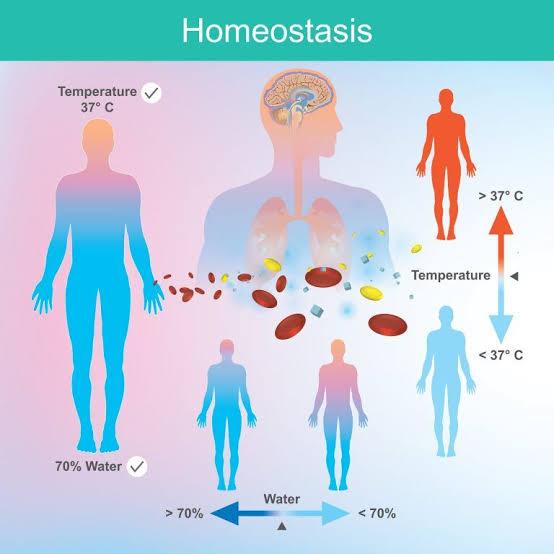
Homeostasis is the ability of a living organism to maintain a stable internal environment despite continuous changes in the external environment.
عرض المزيد
يوليو 02, 2026Elias Ntezimana
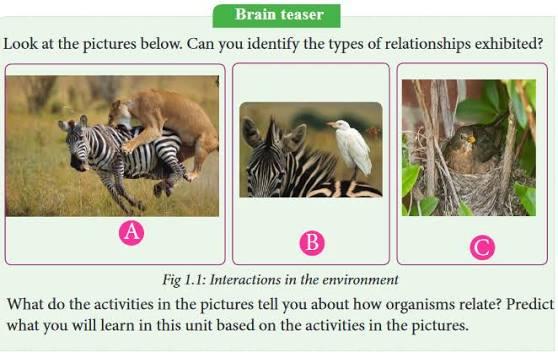
Biological interactions and relationships are the various ways in which living organisms interact with one another within an ecosystem.
عرض المزيد