

Blood is a specialized connective tissue that circulates throughout the body. It consists of plasma, red blood cells, white blood cells, and platelets. Red blood cells carry oxygen and contain specific antigens that determine an individual's blood group.
The most important blood group classification system is the ABO blood group system, discovered by Karl Landsteiner in 1901. This system divides human blood into four main groups: A, B, AB, and O.
Individuals with blood group A have antigen A on the surface of their red blood cells and anti-B antibodies in their plasma. These antibodies will react against blood containing antigen B.
Individuals with blood group B have antigen B on their red blood cells and anti-A antibodies in their plasma. These antibodies attack red blood cells carrying antigen A.
People with blood group AB possess both antigen A and antigen B on their red blood cells. They do not produce anti-A or anti-B antibodies, allowing them to receive blood from all ABO groups under appropriate conditions.
Individuals with blood group O have neither antigen A nor antigen B on their red blood cells. However, they possess both anti-A and anti-B antibodies in their plasma.
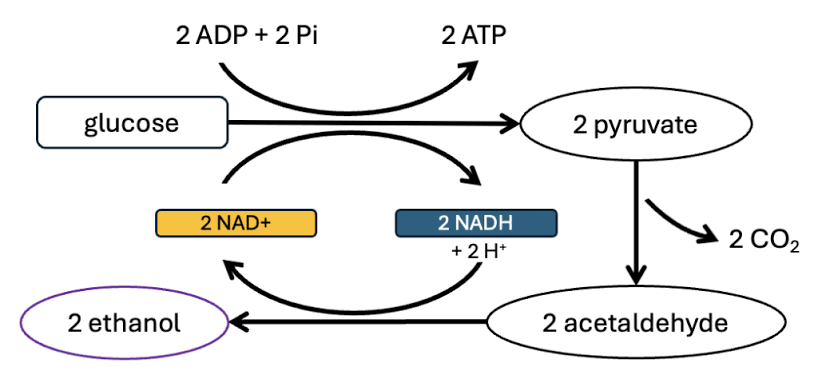
RESPIRATION AND FERMENTATION
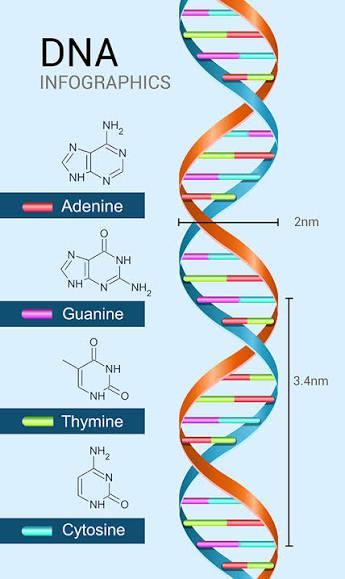
DNA (DEOXYRIBONUCLEIC ACID)

SENSITIVITY
HOMO SAPIENS
COMMUNICATION OF BIRDS
ONCHOCERCOSE
DNA (DEOXYRIBONUCLEIC ACID)
SENSITIVITY

ONCHOCERCOSE
PANDEMIC AND EPIDEMIC
SENSORY SYSTEM
MALARIA
RESPIRATION AND FERMENTATION
DNA (DEOXYRIBONUCLEIC ACID)
SENSITIVITY
PLATYHELMINTHES (FLATWORMS)
HOMO SAPIENS
COMMUNICATION OF BIRDS
In addition to the ABO system, another important classification is the Rhesus (Rh) system. This system is based on the presence or absence of the Rh factor, particularly the D antigen.
A person who possesses the Rh antigen is classified as Rh positive (Rh⁺), while a person lacking this antigen is classified as Rh negative (Rh⁻).
Combining the ABO and Rh systems results in eight major blood groups:
- A⁺
- A⁻
- B⁺
- B⁻
- AB⁺
- AB⁻
- O⁺
- O⁻
Blood transfusions require compatibility between donor and recipient blood groups. If incompatible blood is transfused, the recipient's immune system may attack the donor red blood cells, causing a potentially life-threatening transfusion reaction.
Among all blood groups, O negative (O⁻) is known as the universal donor for red blood cell transfusions because it lacks A, B, and Rh antigens. Therefore, its red blood cells can be safely transfused to most individuals during emergencies.
Conversely, AB positive (AB⁺) is often called the universal recipient because individuals with this blood group can receive red blood cells from all ABO and Rh blood groups.
Blood groups are inherited genetically from parents according to Mendelian inheritance patterns. The ABO blood group is determined by genes inherited from both parents, resulting in different blood group combinations among offspring.
Blood group determination is especially important during pregnancy. An Rh-negative mother carrying an Rh-positive fetus may develop antibodies against fetal red blood cells. Without medical intervention, this condition can lead to hemolytic disease of the newborn.
Modern blood banks carefully test and classify blood before transfusion. Compatibility testing, including blood typing and cross-matching, helps ensure patient safety and prevents adverse reactions.
Blood groups also play important roles in forensic science, population genetics, anthropology, and medical research. Scientists study blood group distributions to better understand human evolution and genetic diversity.
Conclusion
Blood groups are determined primarily by the ABO and Rh systems and are essential for safe blood transfusions, pregnancy management, and medical treatments. The four ABO groups—A, B, AB, and O—combined with the Rh factor create eight major blood types. Accurate blood typing helps prevent dangerous transfusion reactions and contributes significantly to modern healthcare.
اترك تعليقاً
لن يتم نشر عنوان بريدك الإلكتروني. الحقول المطلوبة مشار إليها بـ *