Jun 29, 2026Elias Ntezimana
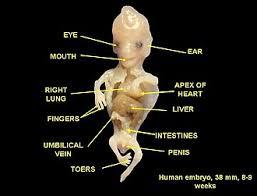
Ontogenesis (also called ontogeny) is the process by which an organism develops from a fertilized egg (zygote) to a fully grown adult.
View more
Jun 29, 2026Elias Ntezimana
Seed dispersal, also called dissemination, is the process by which seeds are spread away from the parent plant to different locations
View more
Jun 29, 2026Elias Ntezimana
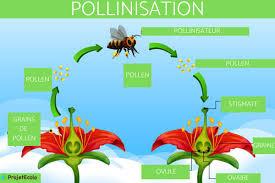
Pollination is the reproductive process in flowering plants in which pollen is transferred from the anther (male part) to the stigma (female part)
View more
Jun 29, 2026Elias Ntezimana
Plant growth is influenced by many environmental and internal factors. These factors determine how well a plant develops, produces leaves, flowers, fruits, and seeds
View more
Jun 29, 2026Elias Ntezimana
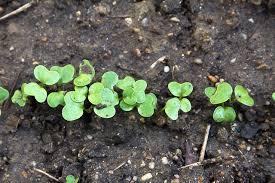
Germination is the biological process through which a seed begins to grow and develops into a new plant. It marks the beginning of the plant's life cycle and is essential for plant reproduction.
View more
Jun 29, 2026Elias Ntezimana
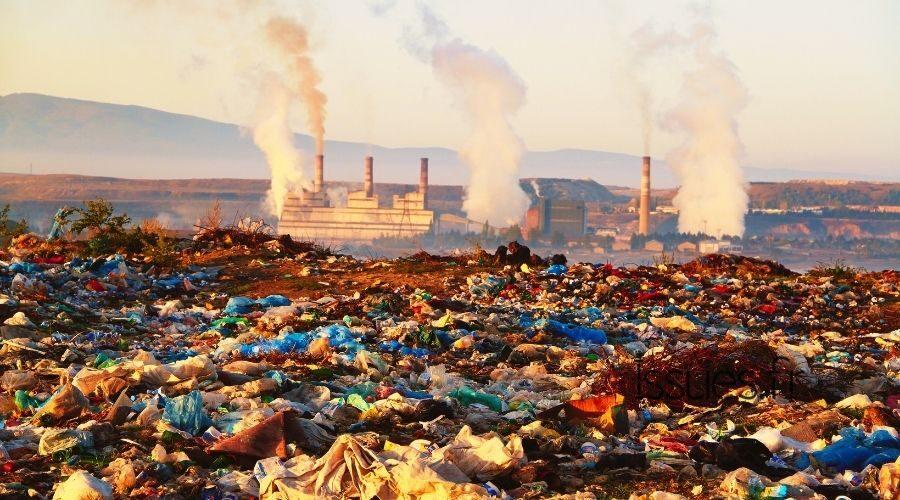
Yes. Pollution is one of the greatest threats to biodiversity worldwide. It damages ecosystems, kills plants and animals, contaminates natural resources, and disrupts the balance of nature
View more
Jun 29, 2026Elias Ntezimana
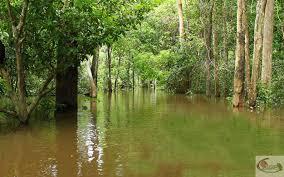
Aquatic biodiversity refers to the variety of living organisms that inhabit water ecosystems, including rivers, lakes, ponds, wetlands, estuaries, seas, and oceans
View more
Jun 29, 2026Elias Ntezimana
Yes. Monkeys and humans share many similarities because they both belong to the order Primates. Although humans are not monkeys, both groups evolved from a common ancestor that lived millions of years ago
View more
Jun 29, 2026Elias Ntezimana
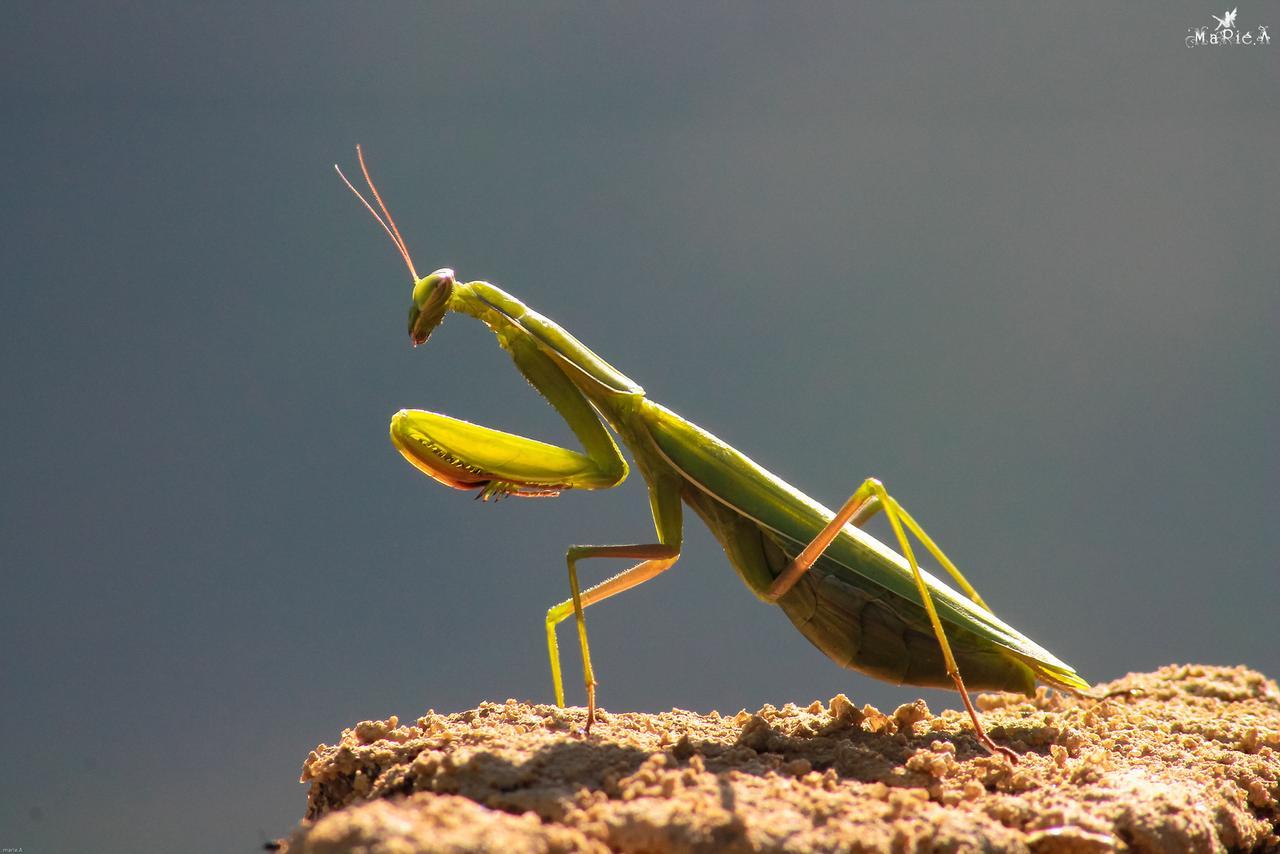
Insects (from Latin insectum ) are hexapod invertebrates of the class Insecta. They are the largest group within the arthropod phylum. Insects have a chitinous exoskeleton, a three-part body (head, thorax and abdomen), three pairs of jointed legs, compound eyes, and a pair of antennae.
View more
Your experience on this site will be improved by allowing cookies
Cookie Policy
These cookies are essential for the website to function properly.
These cookies help us understand how visitors interact with the website.
These cookies are used to deliver personalized advertisements.