Jun 27, 2026Elias Ntezimana
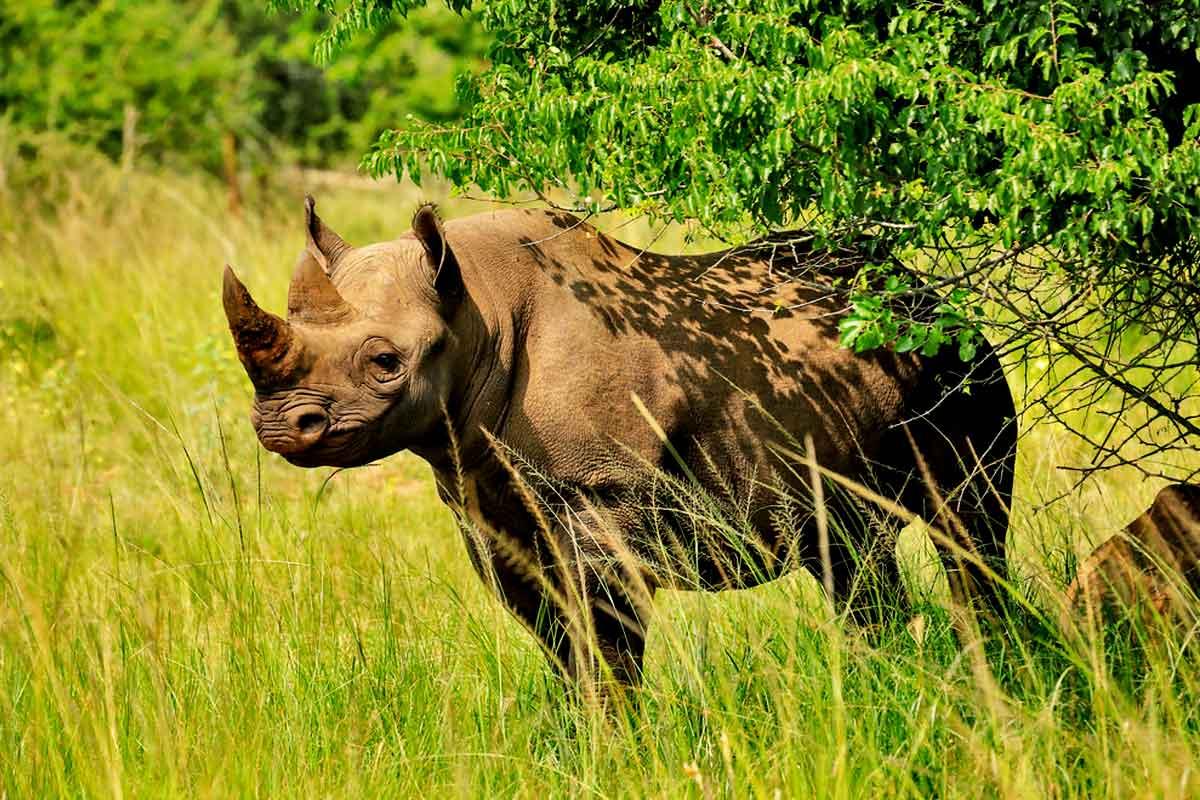
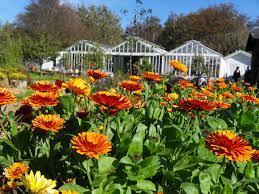
Animals live in a wide variety of environments known as habitats. A habitat is the natural place where an animal lives, grows, feeds, reproduces, and finds shelter
View more
Jun 27, 2026Elias Ntezimana
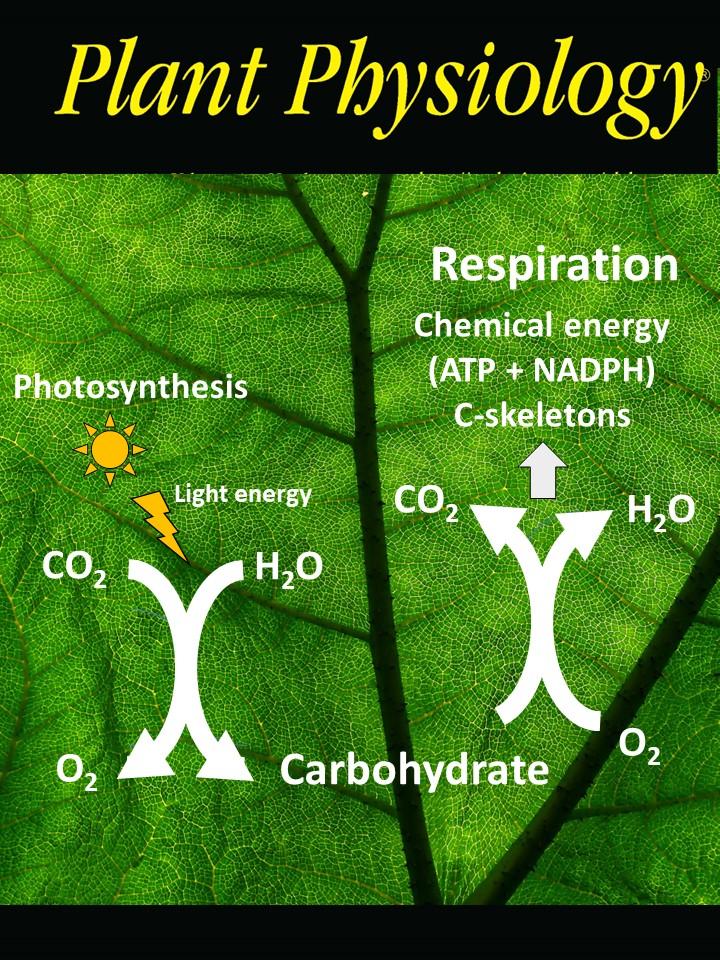
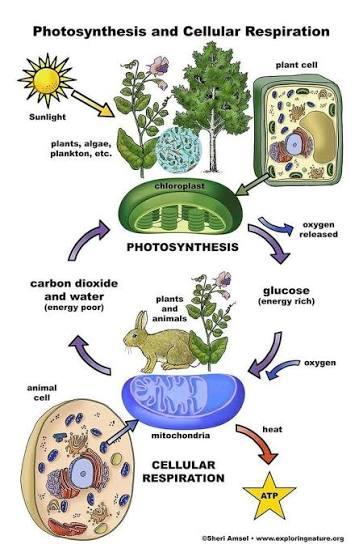
espiration is the biological process by which living organisms obtain oxygen, use it to produce energy from food, and eliminate carbon dioxide
View more
Jun 24, 2026Elias Ntezimana
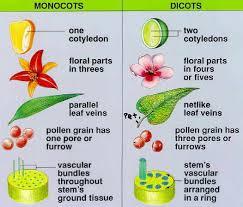
Dicotyledons, commonly called dicots, are a major group of flowering plants characterized by the presence of two cotyledons in their seeds
View more
Jun 24, 2026Elias Ntezimana
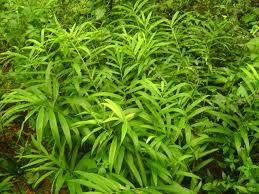
Monocotyledons, commonly called monocots, are a major group of flowering plants (angiosperms) characterized by the presence of a single cotyledon in the seed. They include many economically important plants such as rice, wheat, maize, sugarcane, palms, orchids, and lilies.
View more
Jun 24, 2026Elias Ntezimana
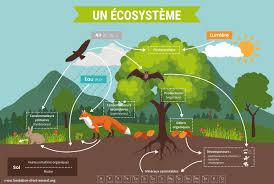
Ecosystem dynamics refers to the continuous changes and interactions that occur within an ecosystem over time. These changes involve living organisms and their physical environment, influencing the structure, function, and stability of ecosystems.
View more
Jun 17, 2026Elias Ntezimana
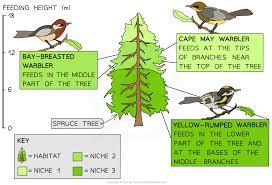
La niche écologique correspond à la place et au rôle qu’occupe une espèce dans un écosystème. Elle décrit la manière dont un organisme vit, utilise les ressources et interagit avec son environnement.
View more
Jun 16, 2026Elias Ntezimana
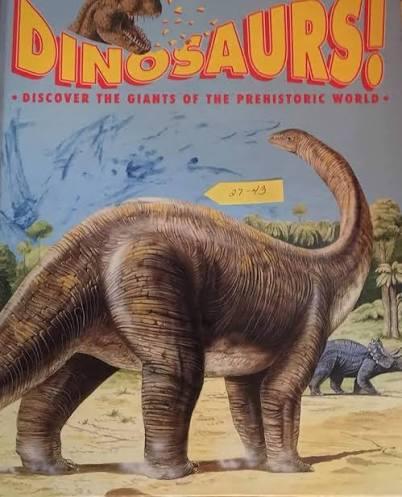
Dinosaurs were a diverse group of reptiles that dominated life on Earth for millions of years before becoming extinct.
View more