

Israel has announced that it killed Izz al-Din al-Haddad, described as Hamas’ most senior military commander in the Gaza Strip, during an airstrike in Gaza City. According to the Israeli military, the operation targeted one of the key remaining figures in Hamas’ armed wing and a central actor in the planning and coordination of the October 7, 2023 attacks on Israel. Those attacks marked the beginning of the ongoing war and resulted in large-scale casualties, hostage-taking, and a major escalation of the long-standing conflict between Israel and Hamas.
L’Iran et les États-Unis : nouvelle escalade militaire dans le Golfe
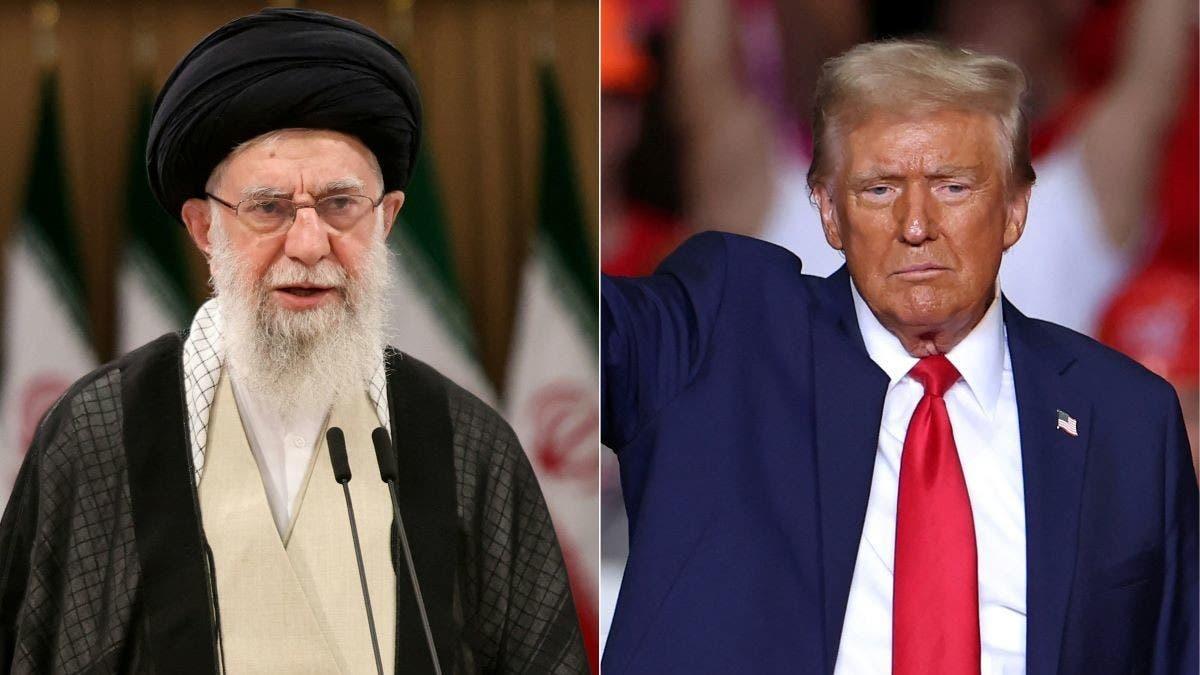
Trump menace l’Iran et évoque des frappes contre ses infrastructures pétrolières

L’Union européenne renforce son soutien contre Ebola en Afrique centrale
Trump Booed as Spurs Revive NBA Finals Hopes in New York
Xi Jinping accueilli en grande pompe en Corée du Nord pour renforcer les liens avec Kim Jong-un
La RDC rend son verdict dans l’affaire du meurtre des experts de l’ONU
L’Iran et les États-Unis : nouvelle escalade militaire dans le Golfe
Trump menace l’Iran et évoque des frappes contre ses infrastructures pétrolières
L’Union européenne renforce son soutien contre Ebola en Afrique centrale
Trump Booed as Spurs Revive NBA Finals Hopes in New York
Xi Jinping accueilli en grande pompe en Corée du Nord pour renforcer les liens avec Kim Jong-un
La RDC rend son verdict dans l’affaire du meurtre des experts de l’ONU
L’Iran et les États-Unis : nouvelle escalade militaire dans le Golfe
Trump menace l’Iran et évoque des frappes contre ses infrastructures pétrolières

Trump Booed as Spurs Revive NBA Finals Hopes in New York
Iran–Israel : échanges de missiles et fortes tensions au Moyen-Orient
Les efforts de paix au Proche-Orient confrontés à un nouvel obstacle
🇺🇸🌍 Rising tensions in the Middle East amid diplomatic signals and military clashes

Israeli authorities stated that al-Haddad played an important role in Hamas’ military structure, contributing to strategic planning, battlefield coordination, and the organization of operations against Israeli targets. His killing is presented by Israel as part of a broader campaign aimed at dismantling Hamas’ command hierarchy in Gaza, especially by targeting senior leaders believed to have operational influence. Israeli officials argue that such strikes are necessary to reduce Hamas’ capacity to launch coordinated attacks and to weaken its control over armed operations in the territory.
The airstrike reportedly took place in Gaza City, an area that has repeatedly been the focus of intense military operations due to the presence of both Hamas infrastructure and a dense civilian population. As with many similar strikes, reports indicate that additional casualties may have occurred in the surrounding area, although exact figures and identities remain difficult to confirm independently. The complex urban environment of Gaza makes verification challenging, as access for journalists and independent investigators is highly restricted during active conflict.
Hamas has not issued a fully confirmed and detailed statement acknowledging the death of al-Haddad at the time of the initial reports, a situation that is common in the immediate aftermath of targeted killings of senior figures. In previous cases, confirmation or denial of such losses has sometimes taken time, leading to discrepancies between Israeli claims and Palestinian responses in the early stages of reporting. This uncertainty contributes to the fluid nature of information during the conflict, where details often evolve as new evidence becomes available.
The killing comes in the broader context of an ongoing and highly destructive war in Gaza, characterized by continuous airstrikes, ground operations, and severe humanitarian consequences. Large parts of the Gaza Strip have suffered extensive damage to infrastructure, including homes, hospitals, and public services, leading to widespread displacement of civilians. Humanitarian organizations have repeatedly warned about the worsening living conditions and the difficulty of delivering aid in active conflict zones.
International reactions to such incidents are often divided. Some countries emphasize Israel’s right to self-defense following the October 7 attacks and support its efforts to target Hamas leadership. Others express concern over the scale and impact of military operations in densely populated areas, calling for restraint and greater protection of civilian lives under international humanitarian law. These differing perspectives reflect the broader geopolitical divisions surrounding the conflict and complicate efforts to reach diplomatic solutions.
From a strategic perspective, Israel’s policy of targeting senior Hamas commanders is intended to weaken the organization’s leadership structure and disrupt its operational continuity. However, analysts note that armed groups often adapt by promoting new leaders, which can limit the long-term impact of such strikes. As a result, while these operations may deliver tactical successes, their strategic consequences remain debated among military experts.
As the situation continues to develop, details surrounding the strike, including confirmation of the commander’s death and its broader impact on Hamas’ military capabilities, may change as additional information emerges from both official statements and independent reporting.