

Glucose comes mainly from the carbohydrates found in foods such as rice, bread, potatoes, fruits, cereals, and sugar. During digestion, carbohydrates are broken down into glucose, which enters the bloodstream. From there, glucose is transported to body cells, where it is used to produce energy.
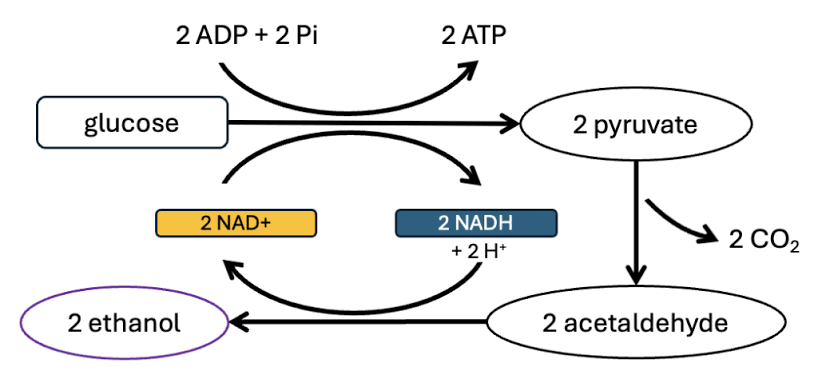
RESPIRATION ET FERMENTATION
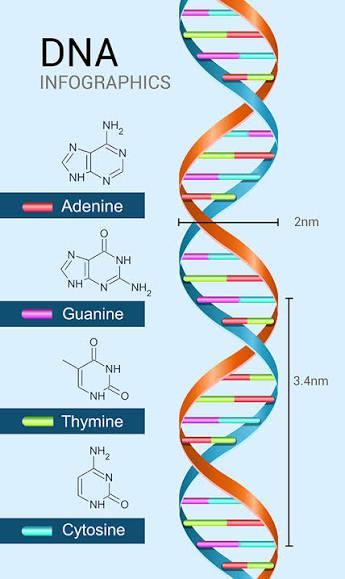
DNA (DEOXYRIBONUCLEIC ACID)
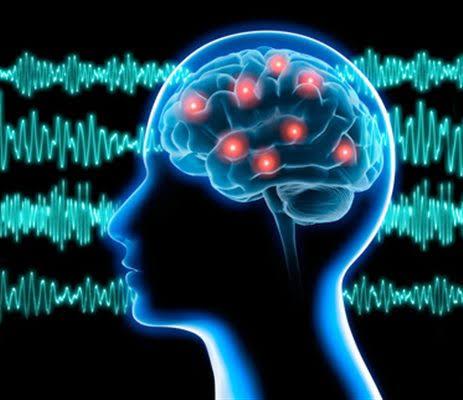
SENSITIVITY
HOMO SAPIENS
COMMUNICATION OF BIRDS
ONCHOCERCOSE
DNA (DEOXYRIBONUCLEIC ACID)
SENSITIVITY

ONCHOCERCOSE
PANDEMIC AND EPIDEMIC
SENSORY SYSTEM
Diagnosis of Malaria
RESPIRATION ET FERMENTATION
DNA (DEOXYRIBONUCLEIC ACID)
SENSITIVITY
PLATYHELMINTHES (FLATWORMS)
HOMO SAPIENS
COMMUNICATION OF BIRDS
The hormone insulin, produced by the pancreas, plays the most important role in regulating blood glucose levels. Insulin allows glucose to enter body cells and reduces the amount of sugar circulating in the blood. Another hormone, glucagon, also produced by the pancreas, increases blood glucose levels when they become too low by stimulating the release of stored glucose from the liver.
In healthy individuals, blood glucose is maintained within a narrow range through the combined action of insulin, glucagon, the liver, muscles, and other organs. This process is called glucose homeostasis.
Normal blood glucose levels vary depending on whether a person has eaten. A healthy fasting blood glucose level is generally between 70 and 99 mg/dL (3.9–5.5 mmol/L). After eating, blood glucose rises temporarily but usually returns to normal within a few hours due to insulin action.
When blood glucose becomes too high, the condition is called hyperglycemia. Hyperglycemia may result from diabetes mellitus, excessive consumption of sugary foods, stress, certain medications, or hormonal disorders. Symptoms include excessive thirst, frequent urination, blurred vision, fatigue, and increased hunger. Persistent hyperglycemia can damage blood vessels, nerves, kidneys, eyes, and the heart.
When blood glucose becomes too low, the condition is called hypoglycemia. It may occur because of prolonged fasting, excessive insulin administration, certain medications, intense physical exercise, or inadequate food intake. Symptoms include sweating, trembling, dizziness, weakness, confusion, rapid heartbeat, and in severe cases, loss of consciousness or seizures.
Blood glucose is measured using several laboratory tests. The fasting blood glucose test measures glucose levels after at least eight hours without food. The random blood glucose test can be performed at any time. The oral glucose tolerance test (OGTT) evaluates how the body processes glucose after drinking a glucose solution. The HbA1c test measures the average blood glucose level over the previous two to three months.
Maintaining healthy blood glucose levels requires a balanced diet rich in vegetables, fruits, whole grains, lean proteins, and healthy fats. Regular physical activity improves insulin sensitivity and helps control blood glucose. Maintaining a healthy body weight, avoiding smoking, and limiting excessive sugar intake also contribute to good glycemic control.
People with diabetes often monitor their blood glucose regularly using glucometers or continuous glucose monitoring devices. Regular monitoring helps adjust treatment, diet, and physical activity to prevent complications.
Scientific research continues to improve blood glucose management through better medications, insulin formulations, continuous glucose monitoring systems, artificial pancreas technology, and advanced diabetes treatments.
Conclusion
Glycemia is the concentration of glucose in the blood and is essential for supplying energy to the body's cells. It is mainly regulated by insulin and glucagon. Maintaining normal blood glucose levels through healthy eating, regular exercise, and appropriate medical care is essential for preventing diabetes and protecting overall health.
Leave a comment
Your email address will not be published. Required fields are marked *