

Bacteria are microscopic living organisms that belong to the Kingdom Monera in the traditional five-kingdom classification system. They are among the oldest and most abundant forms of life on Earth and can be found in almost every environment.
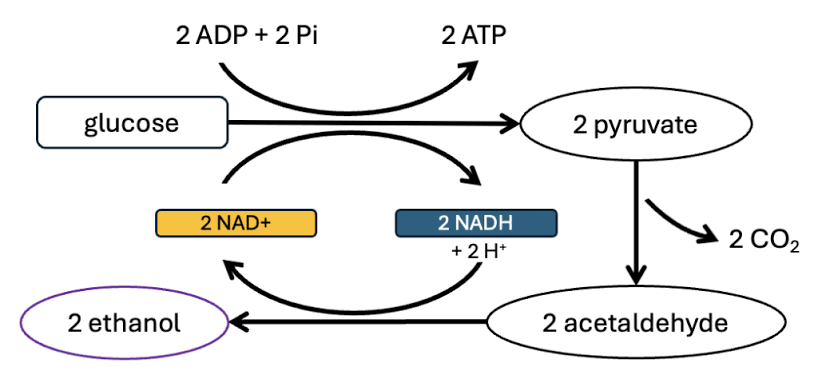
RESPIRATION AND FERMENTATION
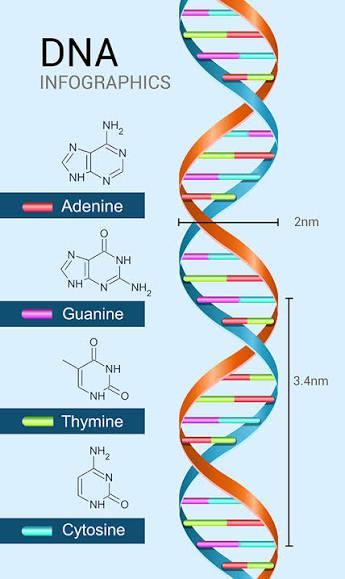
DNA (DEOXYRIBONUCLEIC ACID)

SENSITIVITY
PLATYHELMINTHES (FLATWORMS)
HOMO SAPIENS
COMMUNICATION OF BIRDS
DNA (DEOXYRIBONUCLEIC ACID)

PLATYHELMINTHES (FLATWORMS)

HOMO SAPIENS
COMMUNICATION OF BIRDS
SEA CUCUMBER
IMPORTANCE OF FUNGI IN LIFE
Bacteria are unicellular prokaryotic organisms, meaning that they consist of only one cell and do not possess a true nucleus. Their genetic material is located in a region called the nucleoid and is not enclosed by a nuclear membrane. Despite their simple structure, bacteria are highly successful and adaptable organisms.
The bacterial cell contains a cell membrane, cytoplasm, ribosomes, and usually a cell wall that provides protection and shape. Some bacteria possess additional structures such as capsules, pili, and flagella. Capsules help protect the cell, pili assist in attachment and genetic exchange, and flagella enable movement.
Bacteria occur in several shapes. Cocci are spherical bacteria, bacilli are rod-shaped bacteria, spirilla are spiral-shaped bacteria, and vibrios have a comma-like shape. These different forms help scientists identify bacterial species.
Bacteria reproduce mainly through binary fission, a simple process in which one bacterial cell divides into two identical daughter cells. Under favorable conditions, bacteria can multiply very rapidly, producing millions of cells in a short period.
Bacteria display diverse nutritional modes. Autotrophic bacteria produce their own food through photosynthesis or chemosynthesis. Cyanobacteria, for example, perform photosynthesis and release oxygen. Heterotrophic bacteria obtain nutrients from organic matter. Some are decomposers, some are parasites, and others live in beneficial symbiotic relationships.
Bacteria are found everywhere on Earth. They inhabit soil, freshwater, oceans, air, plants, animals, and even extreme environments such as hot springs, deep-sea hydrothermal vents, acidic lakes, and polar ice. Their ability to survive in diverse habitats demonstrates their remarkable adaptability.
Bacteria play essential ecological roles. As decomposers, they break down dead organisms and recycle nutrients into ecosystems. Nitrogen-fixing bacteria convert atmospheric nitrogen into forms usable by plants, thereby improving soil fertility and supporting agriculture. Many bacteria also contribute to nutrient cycles that maintain ecosystem stability.
Some bacteria live in association with humans and animals. The human digestive system contains billions of beneficial bacteria that aid digestion, produce vitamins, and help protect against harmful microorganisms. These beneficial microorganisms are often referred to as the normal microbiota.
Bacteria have enormous economic and industrial importance. They are used in the production of yogurt, cheese, vinegar, antibiotics, enzymes, and various biotechnology products. Genetic engineering often utilizes bacteria to produce insulin, vaccines, and other medically important substances.
However, some bacteria are pathogenic and can cause diseases. Examples include tuberculosis, cholera, typhoid fever, tetanus, plague, and bacterial pneumonia. Scientists have developed antibiotics and vaccines to control many bacterial infections, although antibiotic resistance remains a major global health challenge.
Bacteria are believed to have appeared more than 3.5 billion years ago, making them among the earliest known forms of life. Their long evolutionary history has significantly influenced the development of Earth's atmosphere, ecosystems, and biological diversity.
Conclusion
The Kingdom Bacteria includes simple yet highly successful unicellular prokaryotic organisms. They are found in virtually every habitat on Earth and play crucial roles in decomposition, nutrient cycling, medicine, biotechnology, and ecosystem functioning. Although some species cause disease, most bacteria are beneficial and essential for maintaining life on our planet.
Tinggalkan komentar
Alamat email Anda tidak akan dipublikasikan. Kolom yang wajib diisi ditandai *