

Traditionally, in medicine, animal biology, and phytopathology, a vector is an organism that does not itself cause a disease but spreads infection by transporting pathogens from one host to another; for example, the aphid is a vector of several diseases with significant consequences for agriculture and orchards. In animals , most vector-borne diseases are zoonoses, meaning diseases that pass from humans to domestic and/or wild animals, sometimes emerging or re-emerging. In a globalized economy and a world where travel is increasingly rapid and frequent, the epidemiological and eco-epidemiological monitoring and control of these diseases has become very difficult despite advances in biology and its tools. The WHO is increasingly collaborating with the OIE for this reason, and these two agencies, under the auspices of the UN, must help developing countries to develop their eco-epidemiological monitoring systems.
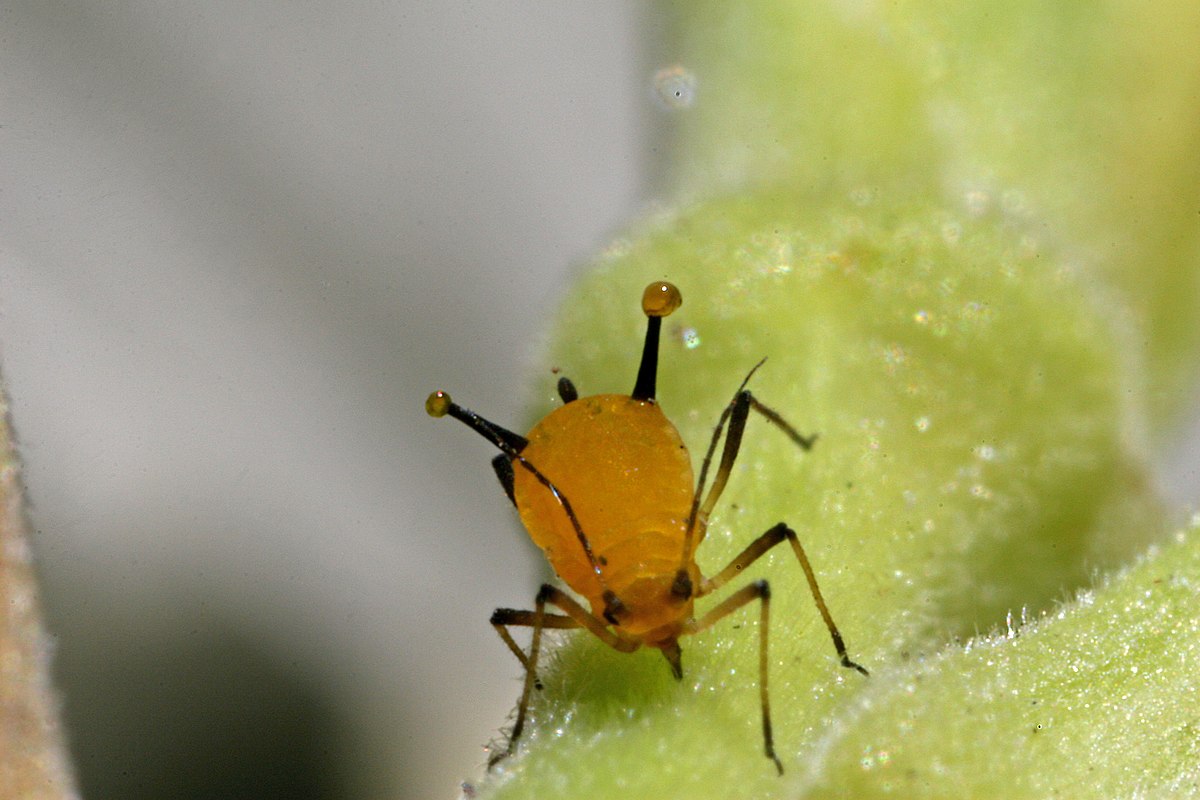
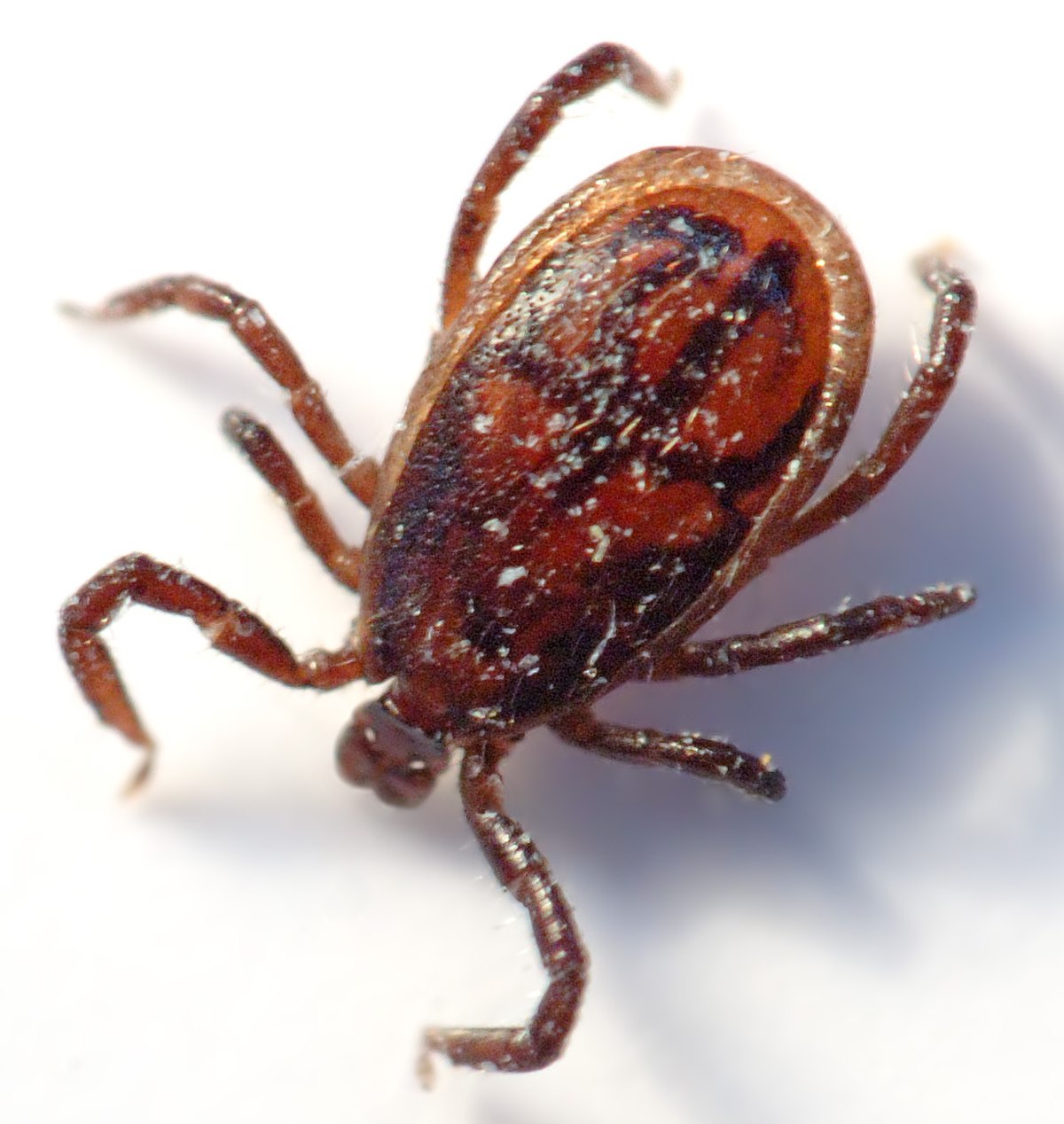
.
This meaning of biological vector is the first in epidemiology and in everyday language.
History
Ticks are blood-sucking parasitic arthropods whose lifestyle makes them excellent intra- and inter-species vectors.
They are among the primary vectors of pathogens affecting both humans and animals.
However, their role as vectors was only scientifically understood and demonstrated in the late 1880s with the identification of the tick Boophilus annulatus as responsible for the transmission of an animal disease : bovine hemoglobinuria (or " Texas cattle fever ") caused by the bacterium Piroplasma bigeminum (now renamed Babesia bigemina ).
In epidemiology, ecoepidemiology and medicine
In cases of diseases transmitted by arthropod bites or stings, the WHO (World Health Organization) defines the vector as " a blood-feeding arthropod that ensures the survival, transformation, sometimes multiplication and transmission of an infectious or parasitic pathogen . " By extension, certain non-arthropod metazoans are included, such as annelids (or leeches).
These are mainly:
- mites (particularly those from the suborder Ixodida, which includes ticks) and
- insects (mainly dipterans, brachyceras or nematocera)
The role of certain arthropods as vectors of pathogens (bacteria, protozoa, filarial worms) began to be identified at the end of the 13th century , notably thanks to the invention of the microscope. Some vector-borne diseases are emerging or rapidly developing, due to the proliferation of the vector species or risky human behavior (deforestation, etc.).
Examples:
- Several mosquito species are important insect vectors
, for example, for malaria or West Nile virus which causes disease (insects can ingest this virus by feeding on an infected bird and regurgitate it into a human, thus infecting him or her). - Fleas transmit various diseases including plague (Yersinia pestis) as shown by Paul Louis Simond in 1897. The flea is a vector of other pathogens including Bartonella .
- Some tick species are vectors of serious diseases such as the recently discovered and rapidly spreading Lyme disease . But at the end of the 19th century it was already known that ticks transmitted babesia (agents of sheep piroplasmosis (detected in Romania as early as 1884 by Magureanu)), bovine piroplasms (detected as early as 1892 by Babes), before in 1893 Smith and Kilborne identified (in Texas) the responsibility of Boophilus annulatus as the vector of Babesia bovis .
- Various species (canids, bats) can carry several forms of rabies and transmit it through their bites.
Tinggalkan komentar
Alamat email Anda tidak akan dipublikasikan. Kolom yang wajib diisi ditandai *