

Russian President Vladimir Putin has highlighted what he describes as “unprecedented” relations between Russia and Iran, while acknowledging that external factors, including conflicts in the Middle East and the war in Iran, are creating major geopolitical pressure.
Russian President Vladimir Putin has stated that relations between Russia and Iran have reached a “level without precedent,” despite what he described as “unfavorable external factors” affecting the global geopolitical environment.
According to remarks attributed to the Kremlin, Putin emphasized that cooperation between Moscow and Tehran continues to deepen in a context marked by rising international tensions. These tensions are particularly linked to instability in the Middle East and the ongoing conflict involving Iran, which has significantly reshaped regional diplomacy and global security dynamics.
In his statement, Putin suggested that external pressures, including wars and escalating crises in the Middle East, are attempting to influence or destabilize international partnerships. However, he insisted that these conditions have not weakened Russia’s strategic relations with Iran, but instead have reinforced their coordination on key political and security issues.
Observers note that Russia and Iran have increasingly aligned their positions on regional conflicts in recent years, especially regarding Middle East security, energy interests, and opposition to Western military influence. This growing alignment has been reflected in diplomatic exchanges and joint political statements calling for de-escalation and negotiated solutions.
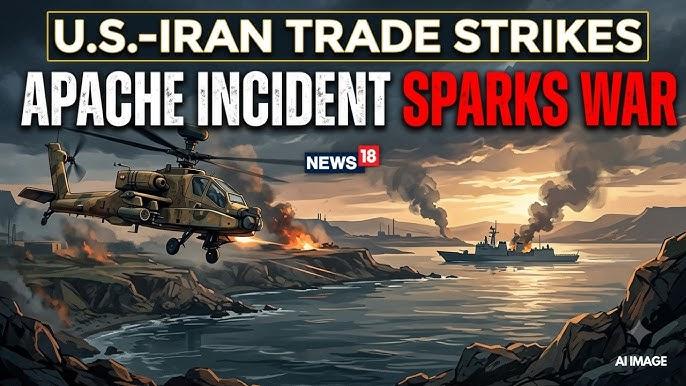
Iran–US Escalation Sparks New Regional Tensions in the Gulf
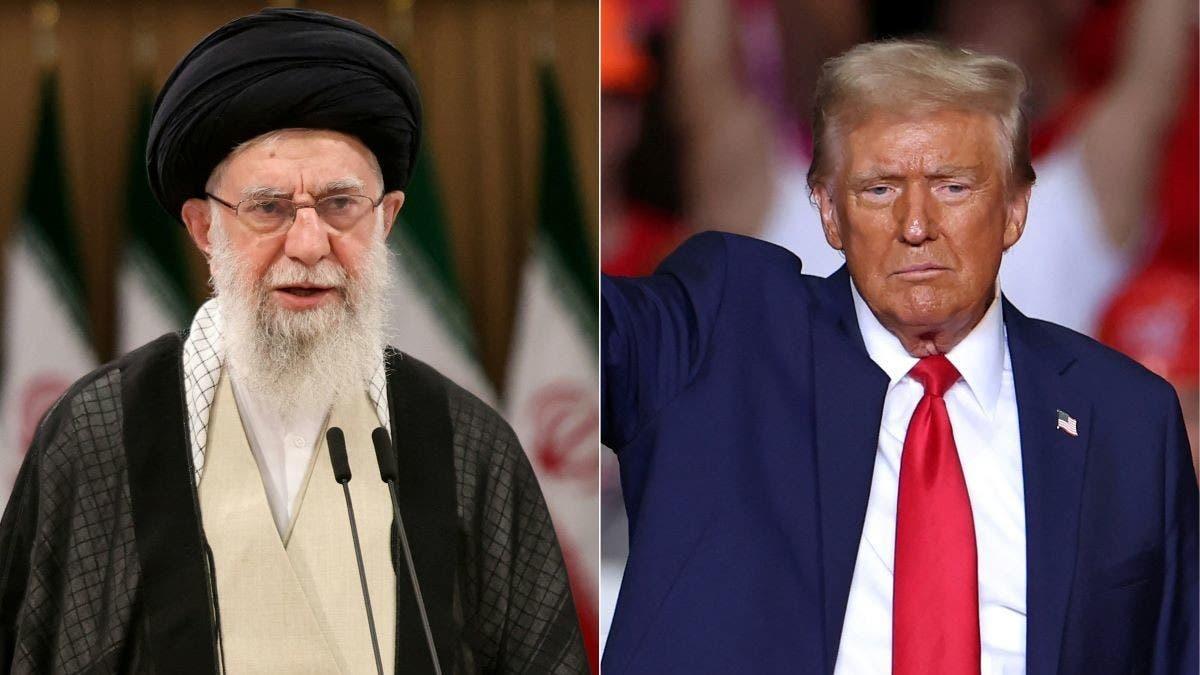
Trump Threatens Major Action Against Iran Amid Rising Tensions
Trump hué, les Spurs relancent la finale NBA à New York
Iran–Israel Missile Escalation Raises Fears of Regional War
Middle East Peace Efforts Face New Setback
🇺🇸🌍 Rising tensions in the Middle East amid diplomatic signals and military clashes
European Union Pledges More Support as Ebola Continues to Affect Central Africa
Trump hué, les Spurs relancent la finale NBA à New York

India’s ‘Cockroach People’s Party’ Moves from Social Media to the Streets
France Opens War Crimes and Torture Investigation Over Gaza Flotilla Incident
Spiro Secures $215 Million to Accelerate Africa’s Electric Mobility Revolution
🇫🇷🇷🇼 France and Rwanda strengthen remembrance ties with new genocide memorial in Paris
European Union Pledges More Support as Ebola Continues to Affect Central Africa
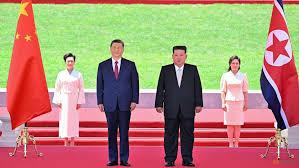
Xi Jinping Visits North Korea for First Time Since 2019, Strengthening Ties with Kim Jong-un
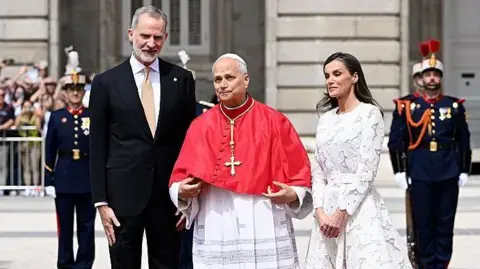
Pope Leo XIV Received at the Royal Palace of Madrid During Official Visit
France Conducts High-Sea Operation with Support from Allies Small intro:
Kenya Doctors Oppose US Plan to Host Ebola Quarantine Facility
Ghana Receives Another Group of West African Migrants Expelled from the United States
At the same time, the broader geopolitical environment remains highly unstable. The war involving Iran, alongside tensions in the Middle East, continues to affect global energy markets, security alliances, and diplomatic negotiations between major world powers. These developments have increased concerns about long-term regional stability.
Analysts suggest that Russia’s emphasis on “unprecedented relations” with Iran signals a strategic effort to strengthen alliances amid growing confrontation between global blocs. This positioning is also seen as part of a wider shift in international relations, where new political and military partnerships are emerging in response to ongoing global conflicts.
Despite the tense environment, Moscow maintains that its official position continues to support political solutions and diplomatic dialogue to reduce escalation in the Middle East and surrounding regions.
Leave a comment
Your email address will not be published. Required fields are marked *