

Dicotyledons, commonly called dicots, are a major group of flowering plants characterized by the presence of two cotyledons in their seeds. They include many trees, shrubs, vegetables, fruits, and ornamental plants. Dicots are among the most diverse and widespread plants on Earth.
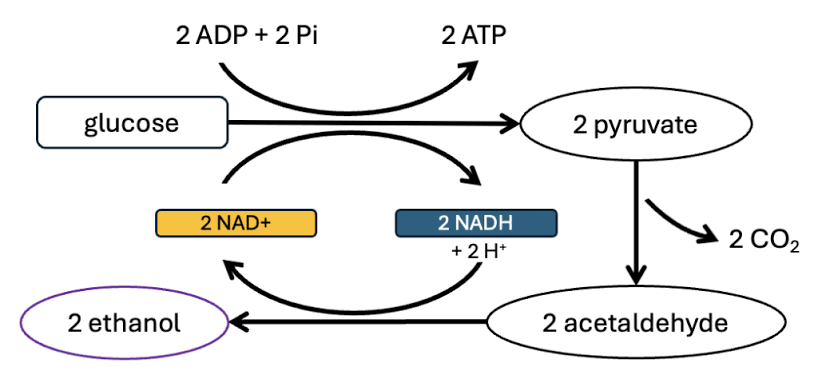
RESPIRATION AND FERMENTATION
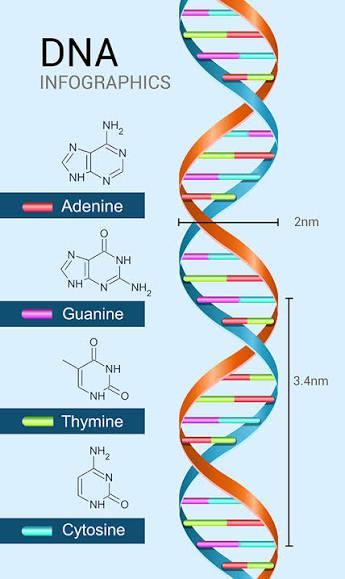
DNA (DEOXYRIBONUCLEIC ACID)

SENSITIVITY
PLATYHELMINTHES (FLATWORMS)
HOMO SAPIENS
COMMUNICATION OF BIRDS
DNA (DEOXYRIBONUCLEIC ACID)

PLATYHELMINTHES (FLATWORMS)
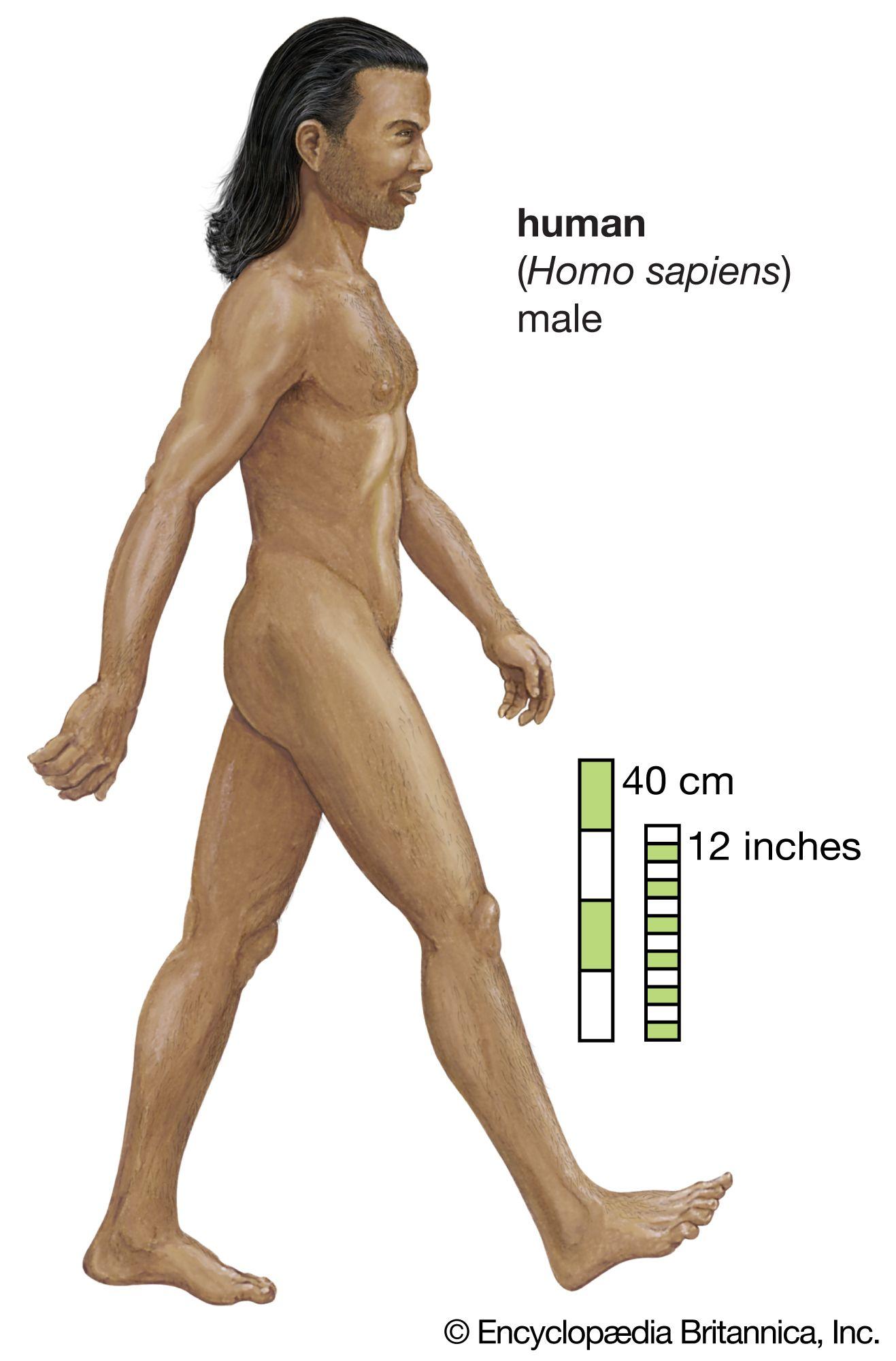
HOMO SAPIENS
COMMUNICATION OF BIRDS
SEA CUCUMBER
IMPORTANCE OF FUNGI IN LIFE
The term dicotyledon means "two seed leaves." During seed germination, the embryo contains two cotyledons that provide nutrients to the developing plant. This characteristic distinguishes dicots from monocotyledons, which possess only one cotyledon.
Dicotyledons are multicellular, eukaryotic organisms that contain chlorophyll and perform photosynthesis. Through photosynthesis, they produce their own food using sunlight, water, and carbon dioxide while releasing oxygen into the atmosphere.
One of the most important characteristics of dicots is their reticulate (net-like) leaf venation. The veins branch and form an interconnected network throughout the leaf. This feature is commonly observed in plants such as beans, mangoes, roses, and sunflowers.
Dicotyledons usually possess a taproot system. A primary root develops from the embryo and grows downward into the soil, producing smaller lateral roots. This root system provides strong anchorage and allows plants to access water from deeper soil layers.
The stem structure of dicotyledons is different from that of monocots. In dicots, vascular bundles are arranged in a ring around the stem. This arrangement allows many dicots to undergo secondary growth, resulting in the formation of wood and bark. Consequently, many trees and shrubs belong to the dicot group.
The flowers of dicotyledons generally have floral parts arranged in multiples of four or five. Flowers may have four, five, eight, ten, or more petals and sepals. This characteristic is frequently used in plant identification.
Dicotyledons reproduce sexually through flowers. Pollination may occur by insects, birds, wind, water, or other agents. After fertilization, seeds develop within fruits, ensuring protection and dispersal of the next generation.
Dicots include a tremendous diversity of plant families. Important examples include the bean family, rose family, sunflower family, mustard family, and citrus family. Many economically valuable crops belong to these groups.
Agriculturally, dicotyledons are extremely important. They provide fruits, vegetables, legumes, oils, fibers, medicines, timber, and ornamental plants. Crops such as beans, peas, soybeans, peanuts, tomatoes, potatoes, mangoes, apples, and cotton are dicots.
Ecologically, dicotyledons contribute significantly to biodiversity and ecosystem stability. They provide food, shelter, and habitat for numerous organisms. Many forest trees are dicotyledons and play a major role in carbon storage, soil conservation, and climate regulation.
Several medicinal plants belong to the dicot group. Many pharmaceuticals originate from compounds extracted from dicotyledonous plants. Their economic and medicinal value has made them an important focus of scientific research.
Modern botanical studies often classify flowering plants using genetic relationships rather than solely relying on traditional monocot-dicot distinctions. Nevertheless, the term "dicotyledon" remains useful for understanding plant morphology and basic classification.
Examples of Dicotyledons
- Bean (Phaseolus vulgaris)
- Pea (Pisum sativum)
- Sunflower (Helianthus annuus)
- Mango (Mangifera indica)
- Rose (Rosa species)
- Tomato (Solanum lycopersicum)
- Cotton (Gossypium species)
- Apple (Malus domestica)
- Oak tree (Quercus species)
- Mustard (Brassica species)
Conclusion
Dicotyledons are flowering plants characterized by two cotyledons, net-like leaf venation, a taproot system, vascular bundles arranged in a ring, and floral parts usually occurring in multiples of four or five. They include many economically and ecologically important species, making them one of the most significant groups in the plant kingdom.
Để lại bình luận
Địa chỉ email của bạn sẽ không được công khai. Các trường bắt buộc được đánh dấu *