

The Amazon is the largest tropical rainforest on the planet. It covers millions of square kilometers across several South American countries, with most of it located in Brazil.
One reason it is considered remarkable is its extraordinary biodiversity. The Amazon is home to millions of species of plants, animals, insects, and microorganisms. Many of these species are found nowhere else on Earth.
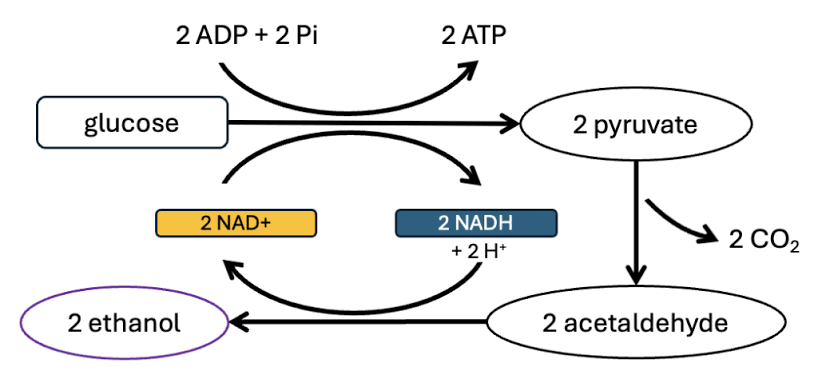
RESPIRATION AND FERMENTATION
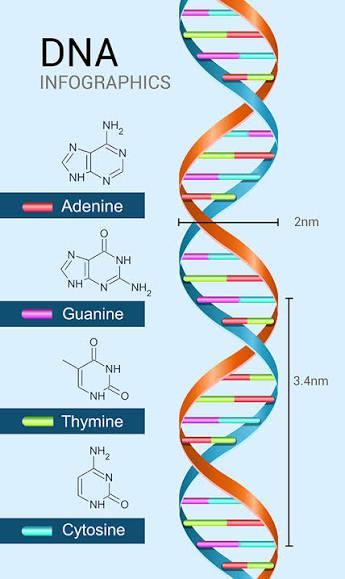
DNA (DEOXYRIBONUCLEIC ACID)

SENSITIVITY
PLATYHELMINTHES (FLATWORMS)
HOMO SAPIENS
COMMUNICATION OF BIRDS

COMMUNICATION OF BIRDS
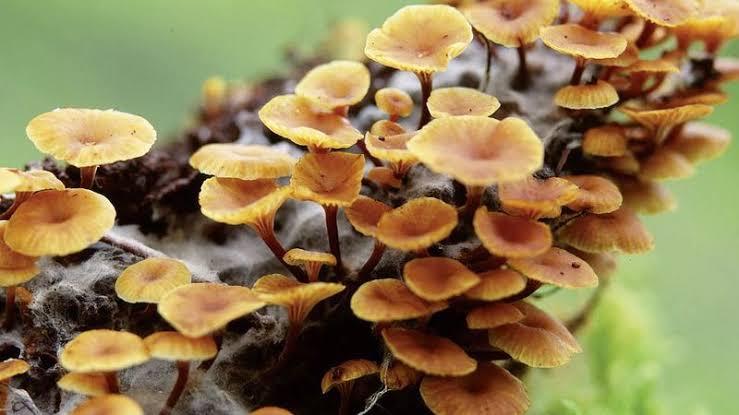
IMPORTANCE OF FUNGI IN LIFE
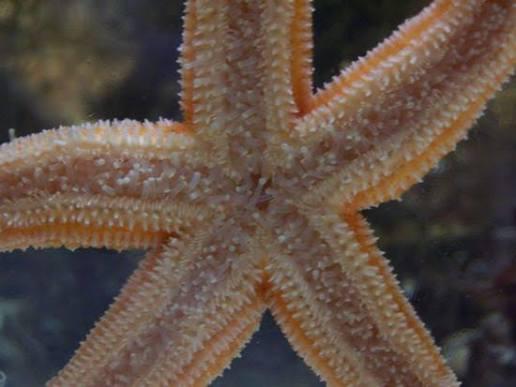
STARFISH (SEA STAR)
EPIPHYTIC PLANTS
TUBER PLANTS
SNAKE SPECIES
DNA (DEOXYRIBONUCLEIC ACID)

PLATYHELMINTHES (FLATWORMS)
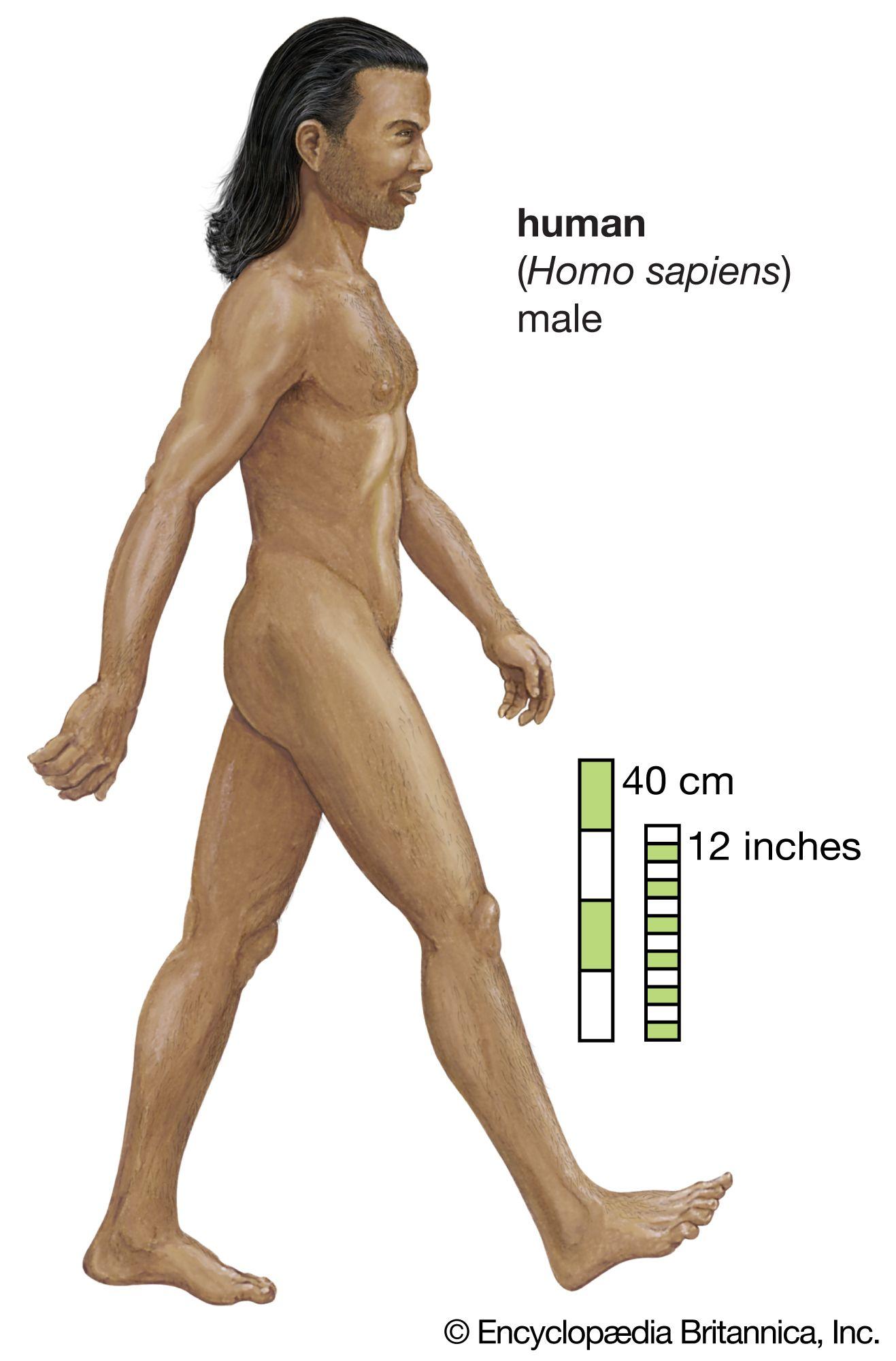
HOMO SAPIENS
COMMUNICATION OF BIRDS
SEA CUCUMBER
IMPORTANCE OF FUNGI IN LIFE
The rainforest also plays a vital role in regulating the global climate. Its vast vegetation absorbs large amounts of carbon dioxide and helps reduce the effects of climate change.
Another important feature is its influence on the water cycle. Amazonian trees release enormous quantities of water vapor into the atmosphere, helping generate rainfall across much of South America.
The region contains the Amazon River, one of the largest river systems in the world, which provides freshwater to countless ecosystems and communities.
The Amazon is also a valuable source of scientific and medical discoveries. Many plants found in the rainforest contain compounds that have been used to develop medicines and may lead to future treatments for diseases.
In addition, the rainforest is home to numerous Indigenous communities whose cultures and traditional knowledge have been preserved for generations.
Conclusion
The Amazon is considered one of the most remarkable biomes because it supports immense biodiversity, regulates climate, influences rainfall, stores freshwater, and remains essential for the health of the planet.
اترك تعليقاً
لن يتم نشر عنوان بريدك الإلكتروني. الحقول المطلوبة مشار إليها بـ *