TopCrawlers - Nền tảng toàn cầu đa ngôn ngữ về tin tức, công nghệ và tri thức số.

collapse
...
Trang chủ / Biodiversity / Why Is the Amazon Considered One of the Most Remarkable Biomes on Earth?

Why Is the Amazon Considered One of the Most Remarkable Biomes on Earth?

Th06 09, 2026  Elias Ntezimana  99 lượt xem

The Amazon is the largest tropical rainforest on the planet. It covers millions of square kilometers across several South American countries, with most of it located in Brazil.

One reason it is considered remarkable is its extraordinary biodiversity. The Amazon is home to millions of species of plants, animals, insects, and microorganisms. Many of these species are found nowhere else on Earth.
biology
RESPIRATION AND FERMENTATION

RESPIRATION AND FERMENTATION

Th07 06, 2026 Elias Ntezimana
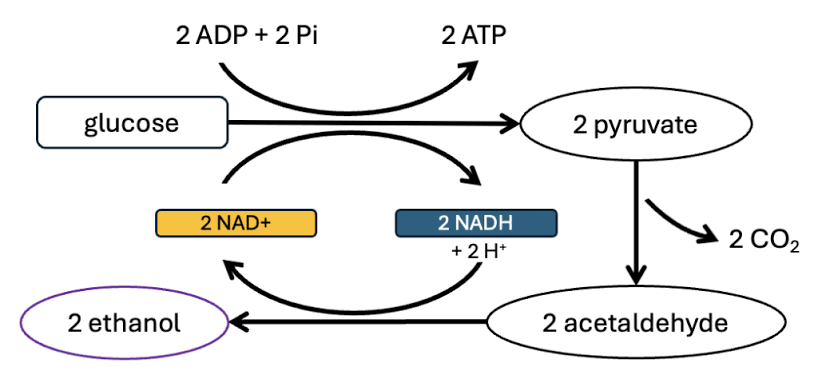
Respiration and fermentation are two biological processes used by living organisms to release energy from food, especially glucose. Respiration is the main and most efficient way cells produce energy, while fermentation is an alternative process used when oxygen is not available.
DNA (DEOXYRIBONUCLEIC ACID)

DNA (DEOXYRIBONUCLEIC ACID)

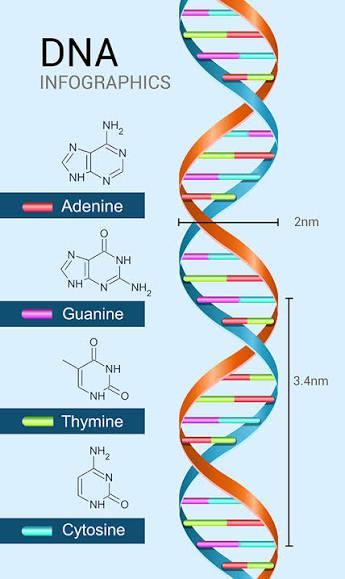
DNA (Deoxyribonucleic Acid) is the hereditary material of almost all living organisms. It stores, copies, and transmits the genetic information required for growth, development, reproduction, metabolism, and the functioning of every living cell.
SENSITIVITY

SENSITIVITY

ensitivity is the ability of a living organism to detect changes (stimuli) in its internal or external environment and respond appropriately.

PLATYHELMINTHES (FLATWORMS)

HOMO SAPIENS

COMMUNICATION OF BIRDS
environment
COMMUNICATION OF BIRDS

COMMUNICATION OF BIRDS
Th07 06, 2026 Elias Ntezimana
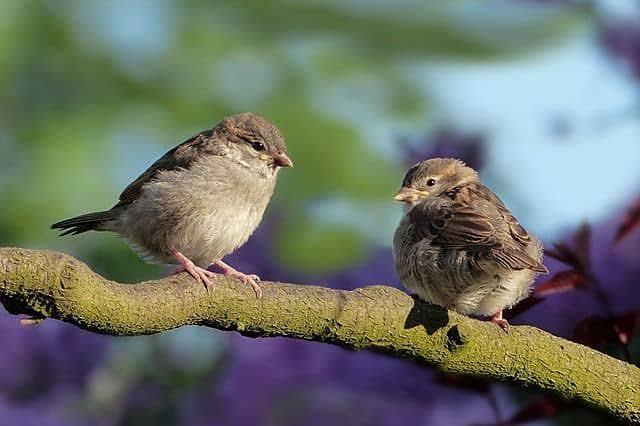
Communication in birds is the process by which birds exchange information with one another using sounds, visual displays, body movements, and chemical or tactile signals
IMPORTANCE OF FUNGI IN LIFE

IMPORTANCE OF FUNGI IN LIFE

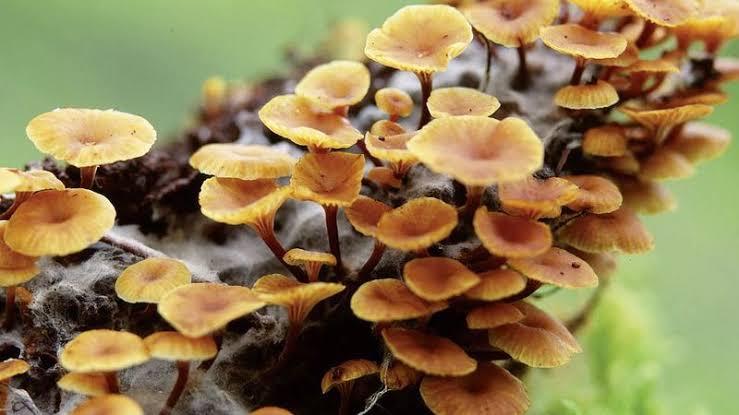
Fungi are a diverse group of organisms that include mushrooms, molds, yeasts, and many microscopic species
STARFISH (SEA STAR)

STARFISH (SEA STAR)

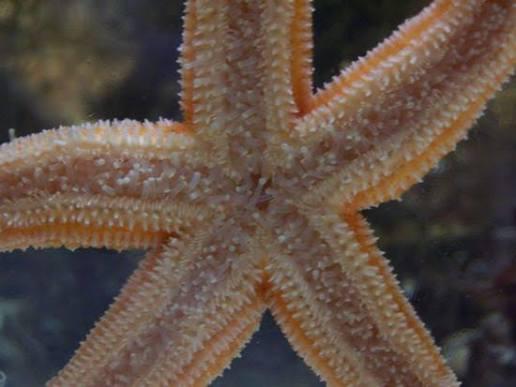
A starfish, also called a sea star, is a marine invertebrate belonging to the phylum Echinodermata and the class Asteroidea.

EPIPHYTIC PLANTS

TUBER PLANTS

SNAKE SPECIES

Biodiversity
DNA (DEOXYRIBONUCLEIC ACID)

DNA (DEOXYRIBONUCLEIC ACID)

Th07 06, 2026 Elias Ntezimana
DNA (Deoxyribonucleic Acid) is the hereditary material of almost all living organisms. It stores, copies, and transmits the genetic information required for growth, development, reproduction, metabolism, and the functioning of every living cell.
PLATYHELMINTHES (FLATWORMS)

PLATYHELMINTHES (FLATWORMS)

Platyhelminthes, commonly known as flatworms, are simple, soft-bodied invertebrate animals with flattened bodies.
HOMO SAPIENS

HOMO SAPIENS

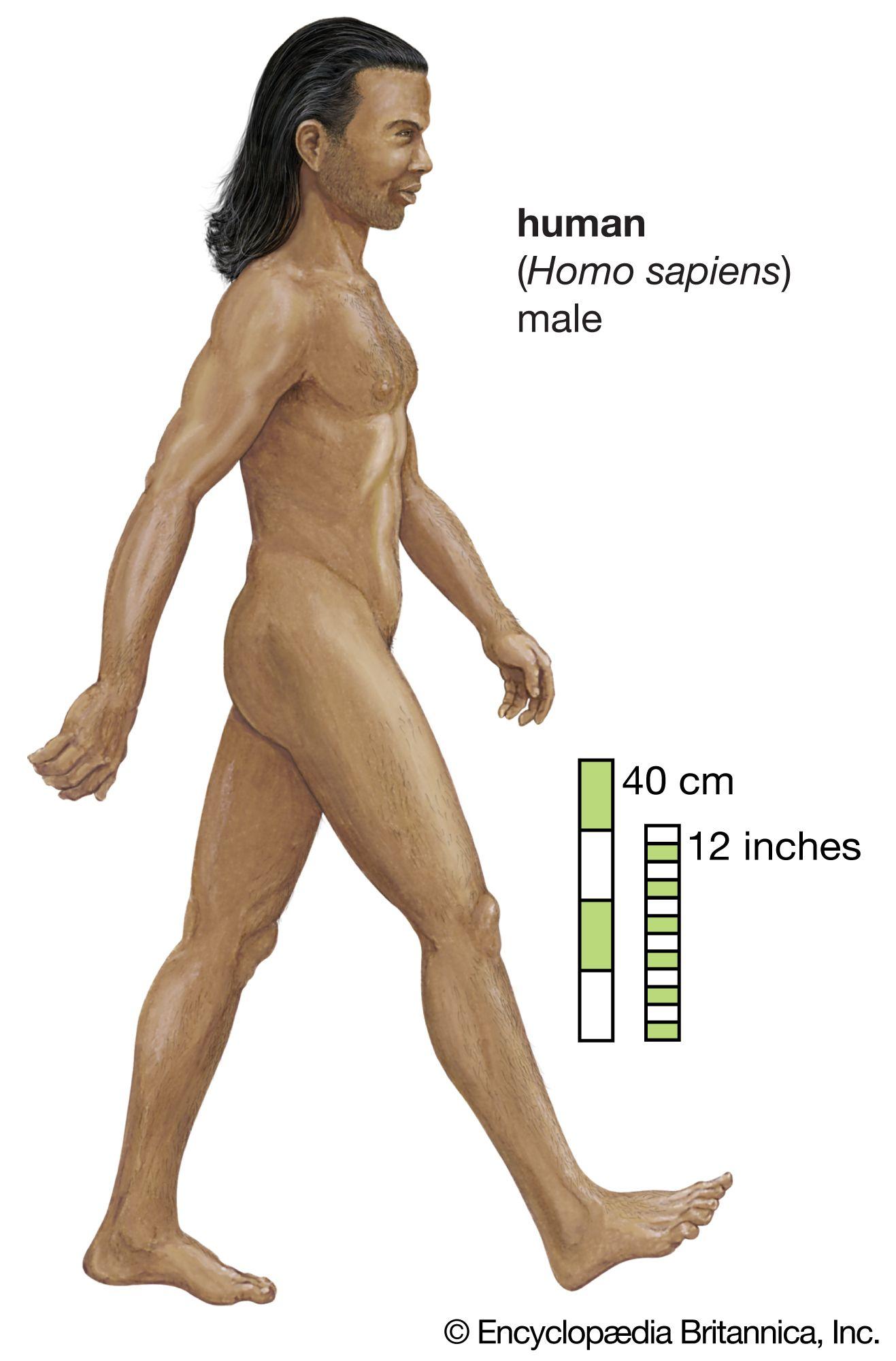
Homo sapiens is the scientific name for modern humans and the only surviving species of the genus Homo. The species first appeared in Africa about 300,000 years ago and later spread across every continent.

COMMUNICATION OF BIRDS

SEA CUCUMBER

IMPORTANCE OF FUNGI IN LIFE

The rainforest also plays a vital role in regulating the global climate. Its vast vegetation absorbs large amounts of carbon dioxide and helps reduce the effects of climate change.

Another important feature is its influence on the water cycle. Amazonian trees release enormous quantities of water vapor into the atmosphere, helping generate rainfall across much of South America.

The region contains the Amazon River, one of the largest river systems in the world, which provides freshwater to countless ecosystems and communities.

The Amazon is also a valuable source of scientific and medical discoveries. Many plants found in the rainforest contain compounds that have been used to develop medicines and may lead to future treatments for diseases.

In addition, the rainforest is home to numerous Indigenous communities whose cultures and traditional knowledge have been preserved for generations.

Conclusion

The Amazon is considered one of the most remarkable biomes because it supports immense biodiversity, regulates climate, influences rainfall, stores freshwater, and remains essential for the health of the planet.


Chia sẻ:

Để lại bình luận

Địa chỉ email của bạn sẽ không được công khai. Các trường bắt buộc được đánh dấu *

Trải nghiệm của bạn trên trang web này sẽ được cải thiện bằng cách cho phép cookie Chính sách Cookie