Jun 13, 2026Elias Ntezimana
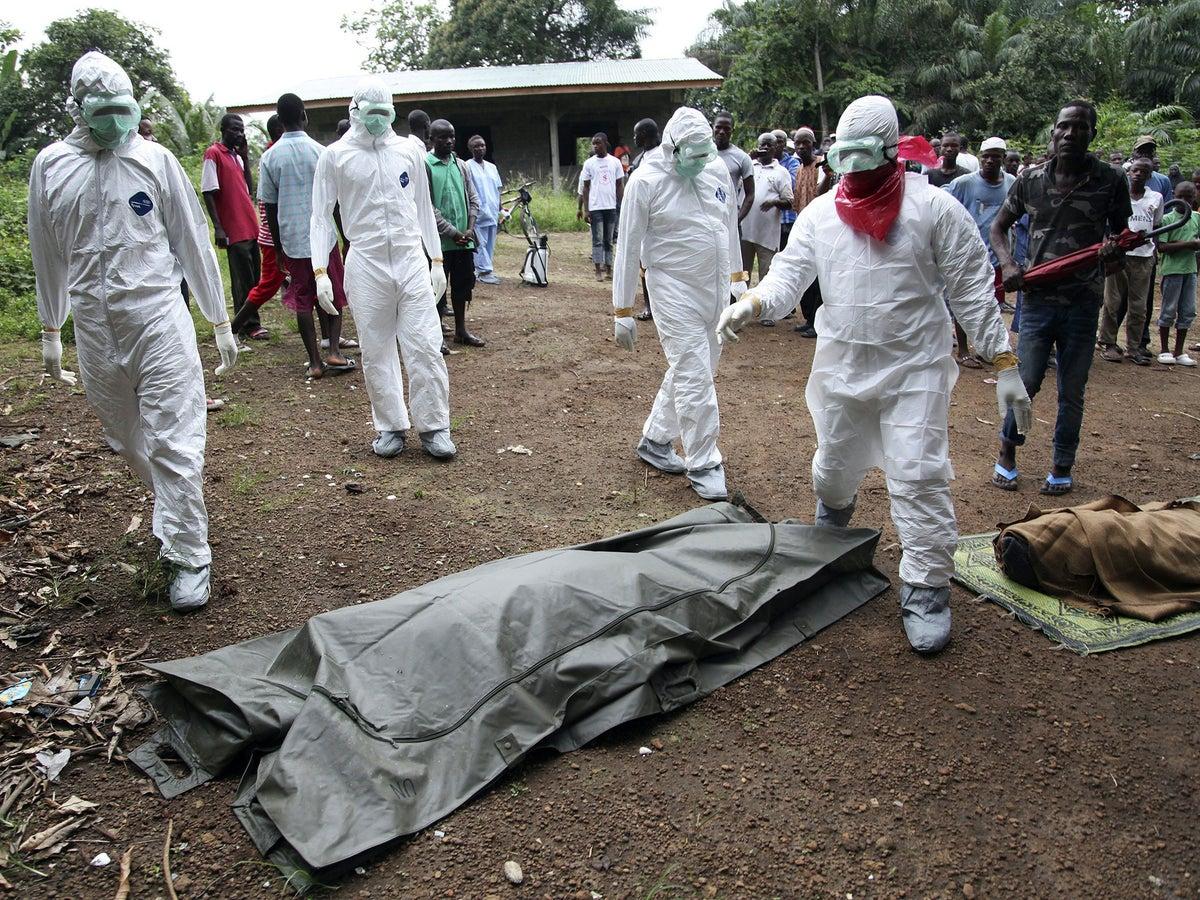
Ebola is one of the deadliest infectious diseases in the world. Despite major advances in prevention and treatment, it continues to pose a serious threat to public health, particularly in parts of Africa.
View more
Jun 13, 2026Elias Ntezimana
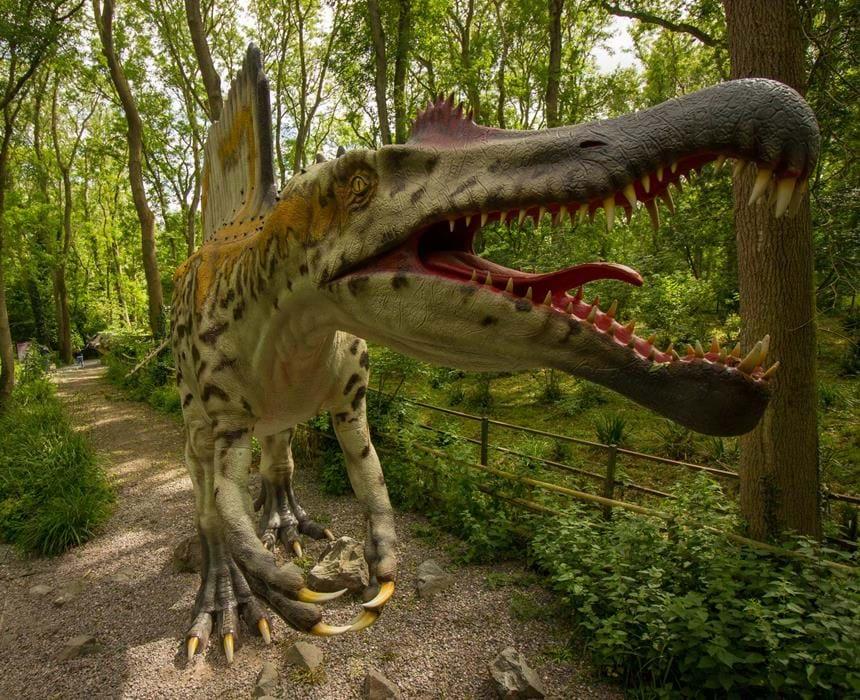
The extinction of the dinosaurs is one of the most significant events in Earth's history. It occurred about 66 million years ago and marked the end of the age of dinosaurs.
View more
Jun 13, 2026Elias Ntezimana
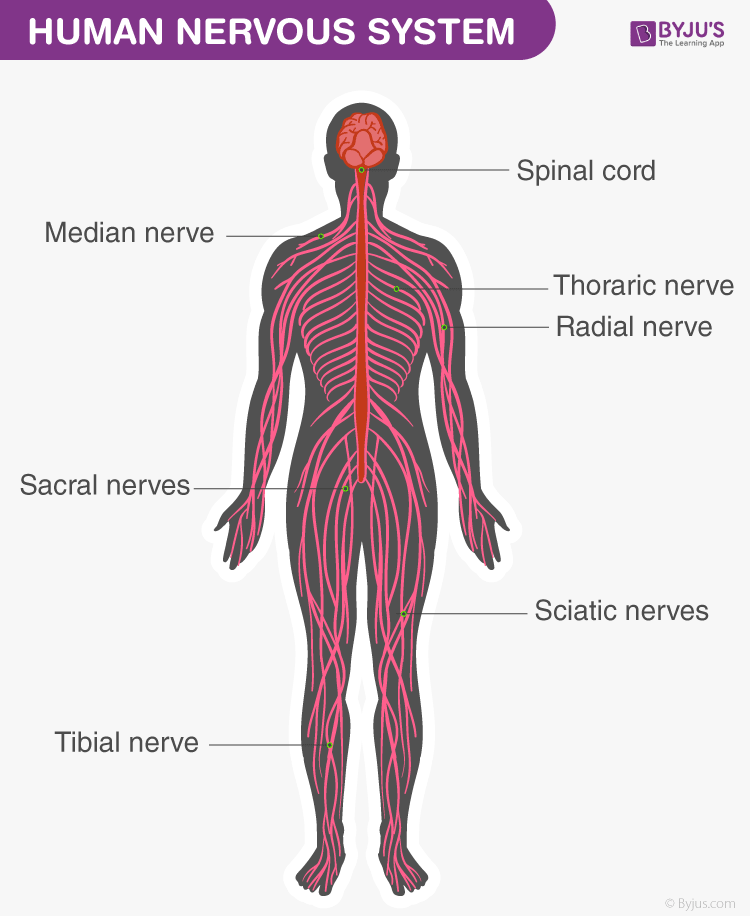
The nervous system is a complex network of organs and cells that controls, coordinates, and regulates all activities of the body.
View more
Jun 13, 2026Elias Ntezimana
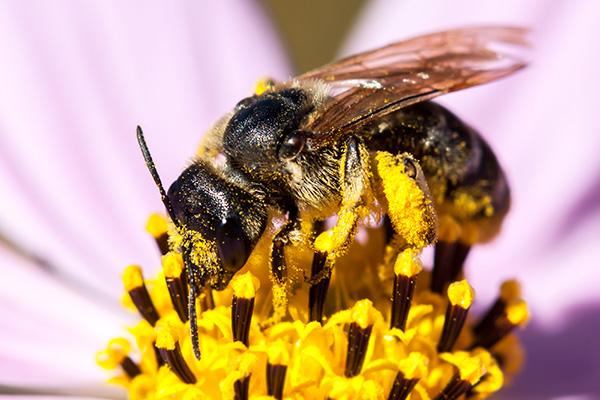
Insects are the most abundant group of animals on Earth and play essential roles in maintaining ecosystems and supporting life.
View more
Jun 13, 2026Elias Ntezimana
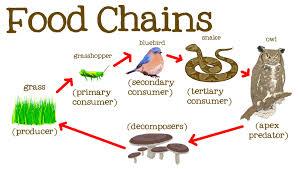
A food chain is a sequence of organisms through which energy and nutrients pass from one living organism to another in an ecosystem
View more
Jun 13, 2026Elias Ntezimana
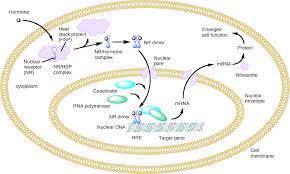
Hormones are chemical messengers produced by endocrine glands. They regulate and coordinate many essential functions of the human body.
View more
Jun 13, 2026Elias Ntezimana
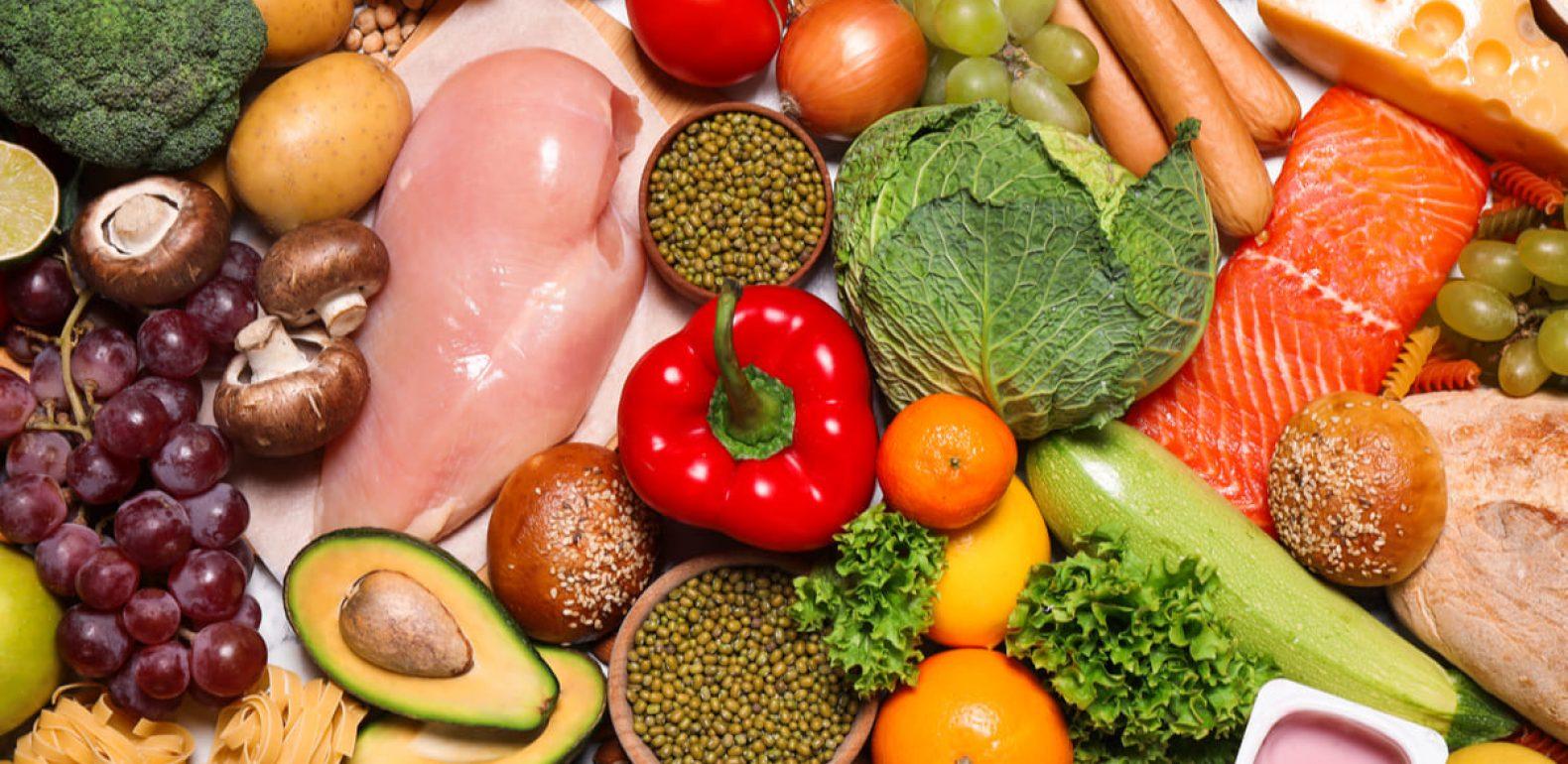
A balanced diet is essential for the proper functioning of the human body because it provides the energy and nutrients needed for growth, maintenance, and overall health.
View more
Jun 13, 2026Elias Ntezimana
Hereditary diseases are disorders caused by genetic abnormalities that are transmitted from one generation to the next through inheritance
View more
Jun 12, 2026Elias Ntezimana
The origin of life is one of the most important questions in biology. Scientists have proposed several theories to explain how life first appeared on Earth about 3.5 to 4 billion years ago.
View more
Jun 12, 2026Elias Ntezimana
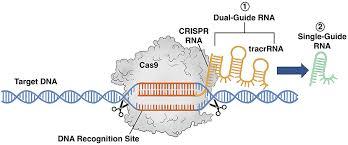
A genetic mutation is a permanent change in the DNA sequence of an organism. Mutations are responsible for genetic variation and play a crucial role in evolution, adaptation, and sometimes disease
View more
Jun 12, 2026Elias Ntezimana
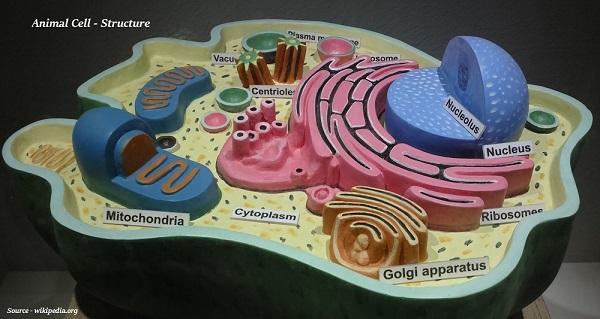
The cell is the smallest living unit capable of performing all the functions necessary for life. Every living organism, from microscopic bacteria to large animals and plants, is composed of one or more cells.
View more