Jul 06, 2026Elias Ntezimana
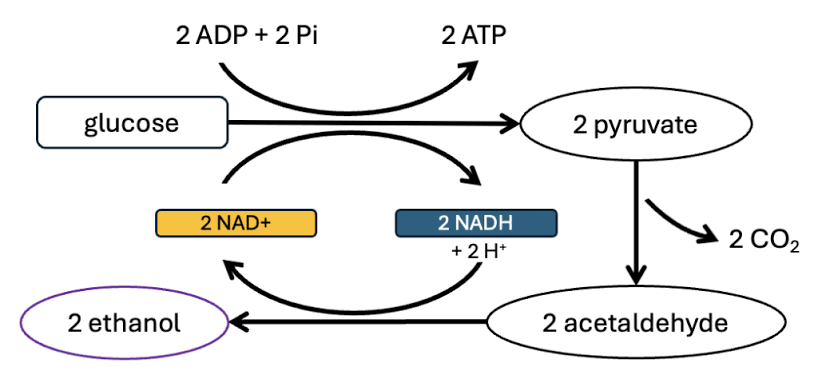
La respiration et la fermentation sont deux mécanismes biologiques permettant aux cellules de produire de l’énergie à partir du glucose. La respiration est le processus principal et le plus efficace, tandis que la fermentation est une voie alternative utilisée en absence d’oxygène.
View more
Jul 06, 2026Elias Ntezimana
Have you ever wondered if your Android phone could do much more than just run apps?
What if a single app could replace video downloaders, FTP tools, SSH clients, file managers, and even help you learn programming—all from your phone?
View more
Jul 06, 2026Elias Ntezimana
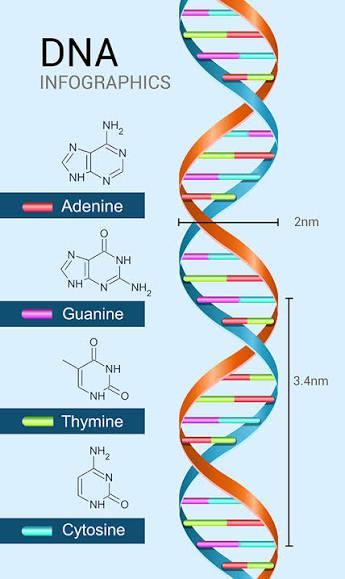
DNA (Deoxyribonucleic Acid) is the hereditary material of almost all living organisms. It stores, copies, and transmits the genetic information required for growth, development, reproduction, metabolism, and the functioning of every living cell.
View more
Jul 06, 2026Elias Ntezimana
ensitivity is the ability of a living organism to detect changes (stimuli) in its internal or external environment and respond appropriately.
View more
Jul 06, 2026Elias Ntezimana
Platyhelminthes, commonly known as flatworms, are simple, soft-bodied invertebrate animals with flattened bodies.
View more
Jul 06, 2026Elias Ntezimana
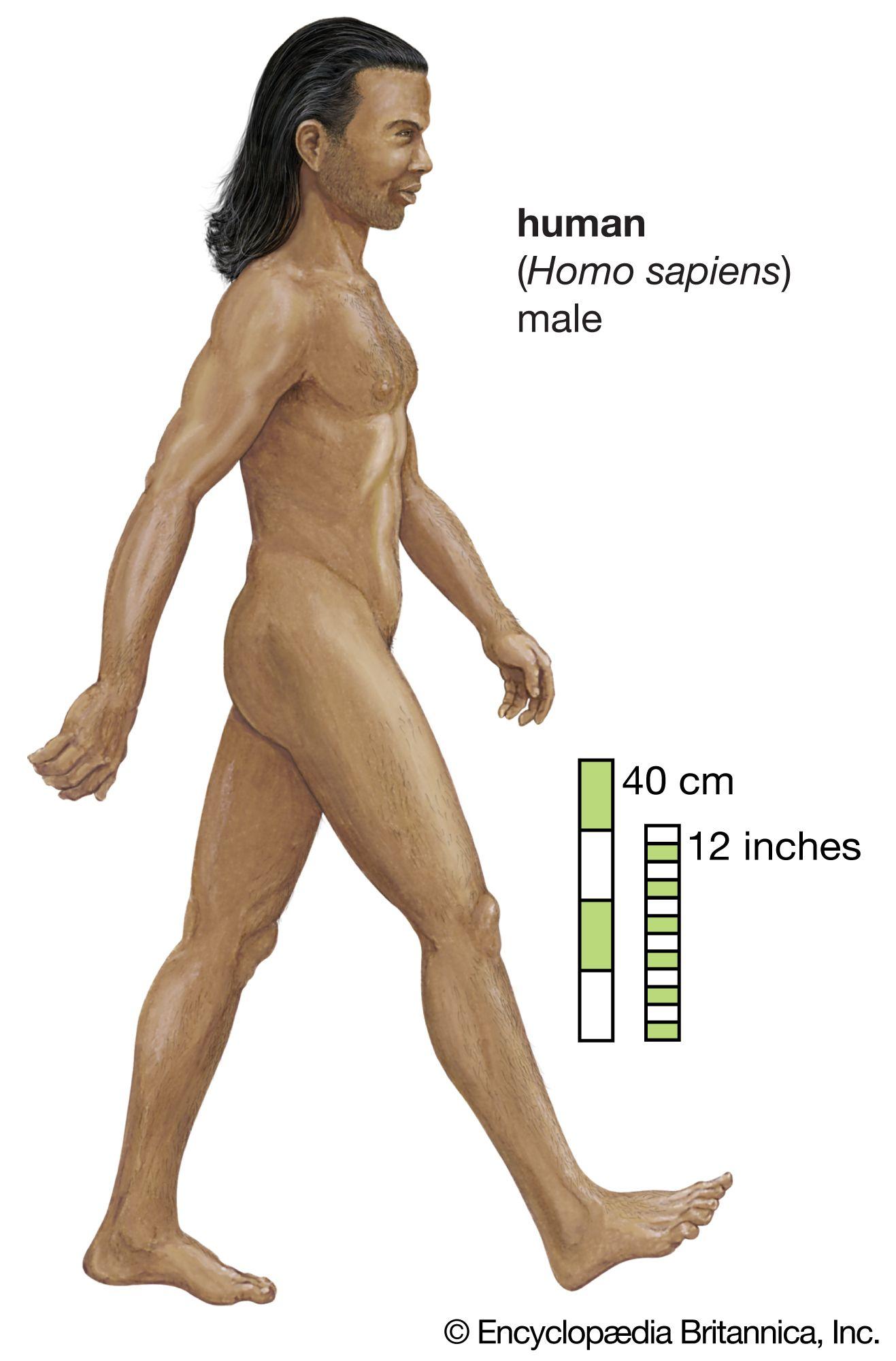
Homo sapiens is the scientific name for modern humans and the only surviving species of the genus Homo. The species first appeared in Africa about 300,000 years ago and later spread across every continent.
View more
Jul 06, 2026Elias Ntezimana
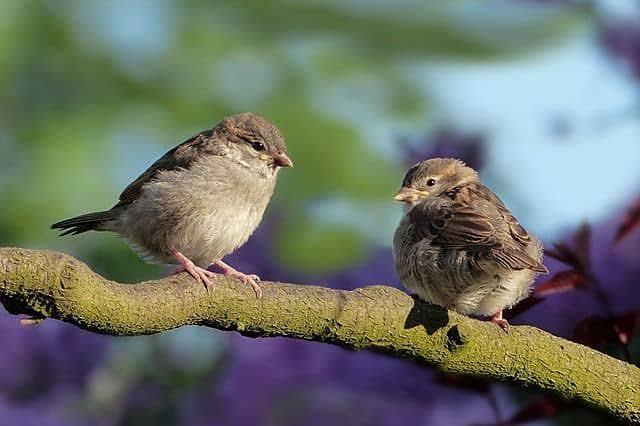
Communication in birds is the process by which birds exchange information with one another using sounds, visual displays, body movements, and chemical or tactile signals
View more
Jul 06, 2026Elias Ntezimana
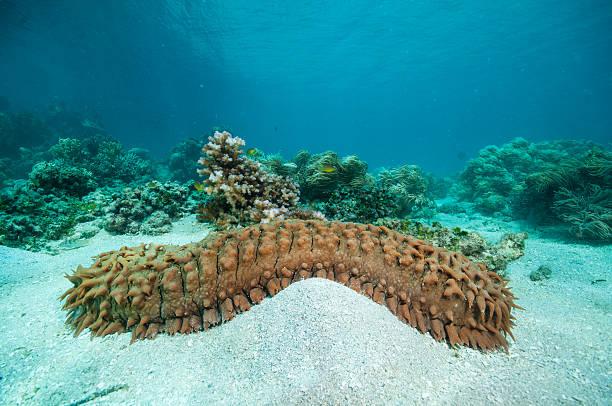
he sea cucumber is a soft-bodied marine invertebrate belonging to the phylum Echinodermata and the class Holothuroidea.
View more
Jul 06, 2026Elias Ntezimana
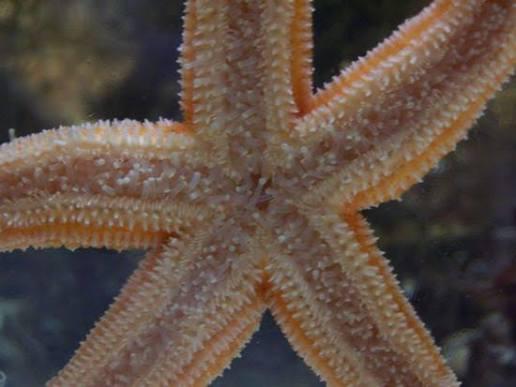
A starfish, also called a sea star, is a marine invertebrate belonging to the phylum Echinodermata and the class Asteroidea.
View more
Jul 06, 2026Elias Ntezimana
L’onchocercose, également appelée cécité des rivières, est une maladie parasitaire tropicale négligée causée par le ver Onchocerca volvulus.
View more