Jun 29, 2026Elias Ntezimana
Plant growth is influenced by many environmental and internal factors. These factors determine how well a plant develops, produces leaves, flowers, fruits, and seeds
View more
Jun 29, 2026Elias Ntezimana
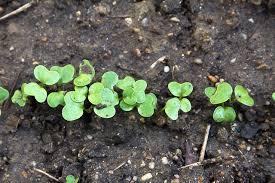
Germination is the biological process through which a seed begins to grow and develops into a new plant. It marks the beginning of the plant's life cycle and is essential for plant reproduction.
View more
Jun 29, 2026Elias Ntezimana
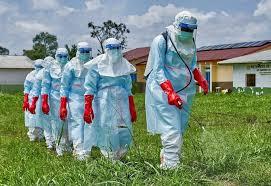
Ebola virus disease remains one of the world's deadliest infectious diseases. From time to time, new outbreaks occur in different parts of Africa, causing deaths and raising public health concerns
View more
Jun 29, 2026Elias Ntezimana
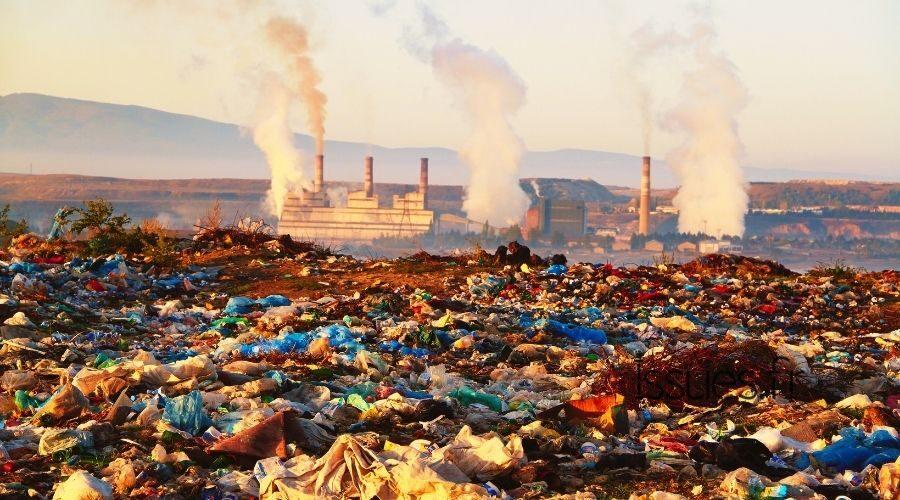
Yes. Pollution is one of the greatest threats to biodiversity worldwide. It damages ecosystems, kills plants and animals, contaminates natural resources, and disrupts the balance of nature
View more
Jun 29, 2026Elias Ntezimana
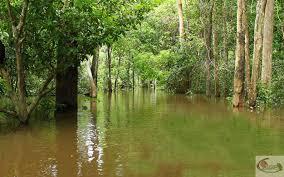
Aquatic biodiversity refers to the variety of living organisms that inhabit water ecosystems, including rivers, lakes, ponds, wetlands, estuaries, seas, and oceans
View more
Jun 29, 2026Elias Ntezimana
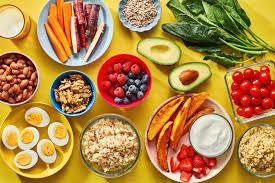
A balanced diet is a diet that provides all the essential nutrients the body needs in the correct amounts to maintain good health, support growth and development, produce energy, repair body tissues, and protect against diseases
View more
Jun 29, 2026Elias Ntezimana
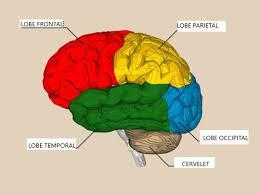
The brain is the control center of the human body. It is the most complex organ and is responsible for controlling almost every function necessary for life. It allows humans to think, learn, remember, move, feel emotions, make decisions, and coordinate all body activities
View more
Jun 29, 2026Elias Ntezimana
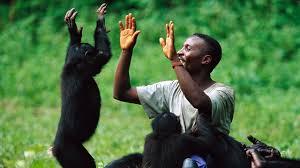
Yes. Monkeys and humans share many similarities because they both belong to the order Primates. Although humans are not monkeys, both groups evolved from a common ancestor that lived millions of years ago
View more
Jun 29, 2026Elias Ntezimana
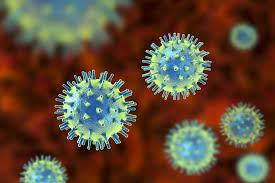
Viruses are microscopic infectious agents that occupy a unique position between living and non-living things. They infect all forms of life, including humans, animals, plants, fungi, and bacteria.
View more
Jun 29, 2026Elias Ntezimana
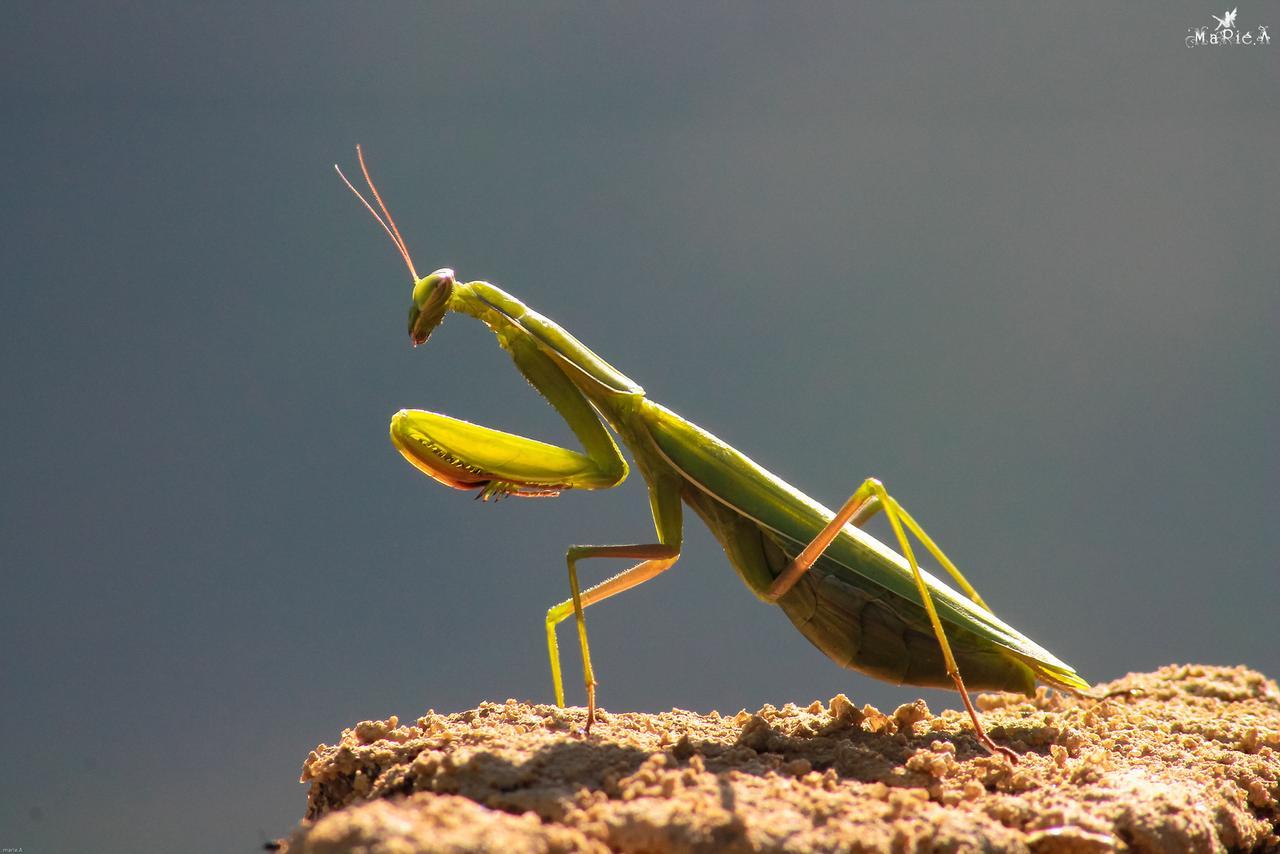
Insects (from Latin insectum ) are hexapod invertebrates of the class Insecta. They are the largest group within the arthropod phylum. Insects have a chitinous exoskeleton, a three-part body (head, thorax and abdomen), three pairs of jointed legs, compound eyes, and a pair of antennae.
View more
Jun 27, 2026Elias Ntezimana
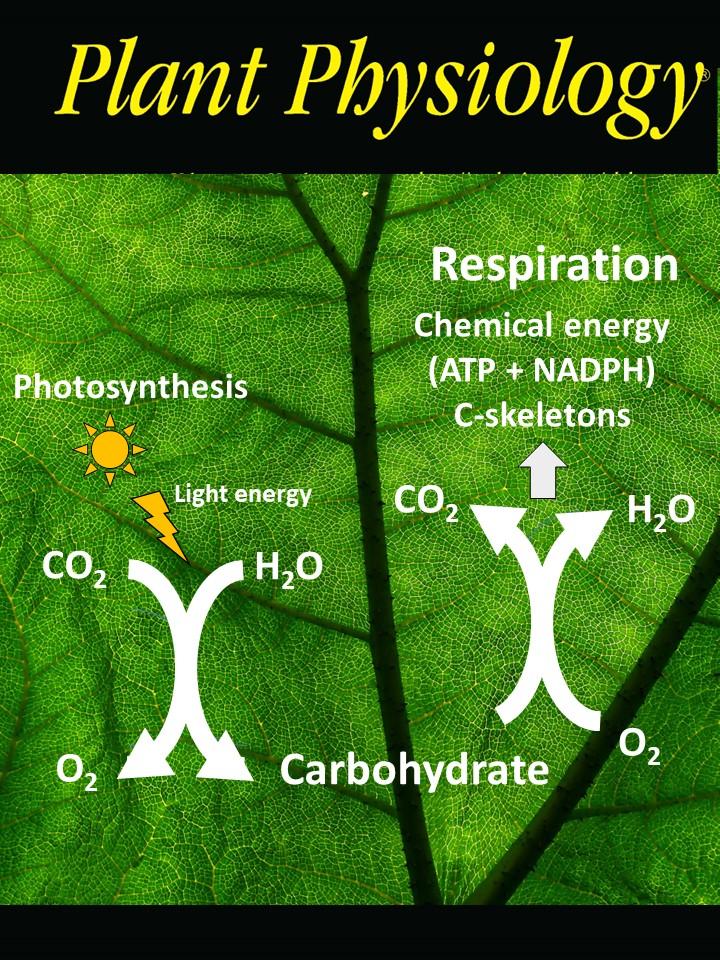
Plant physiology is the branch of botany that studies how plants function and carry out their life processes. It explains how plants absorb water and nutrients, produce food, grow, reproduce, respond to environmental stimuli, and survive under different environmental conditions
View more
Jun 27, 2026Elias Ntezimana
Sterilization is the process of completely destroying or removing all forms of microorganisms, including bacteria, viruses, fungi, spores, and parasites, from an object, surface, liquid, or biological materia
View more
Your experience on this site will be improved by allowing cookies
Cookie Policy
These cookies are essential for the website to function properly.
These cookies help us understand how visitors interact with the website.
These cookies are used to deliver personalized advertisements.