Jun 29, 2026Elias Ntezimana
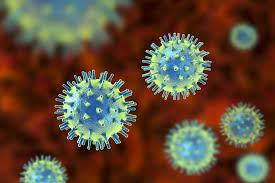
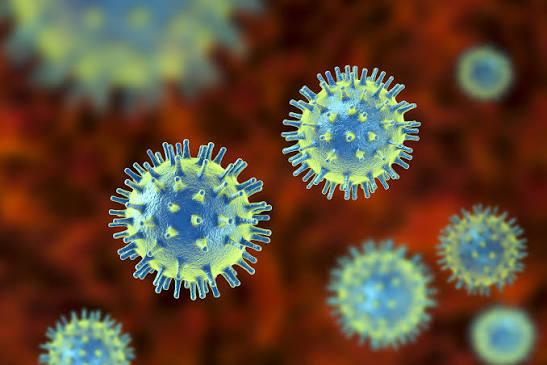
Viruses are microscopic infectious agents that occupy a unique position between living and non-living things. They infect all forms of life, including humans, animals, plants, fungi, and bacteria.
View more
Jun 29, 2026Elias Ntezimana
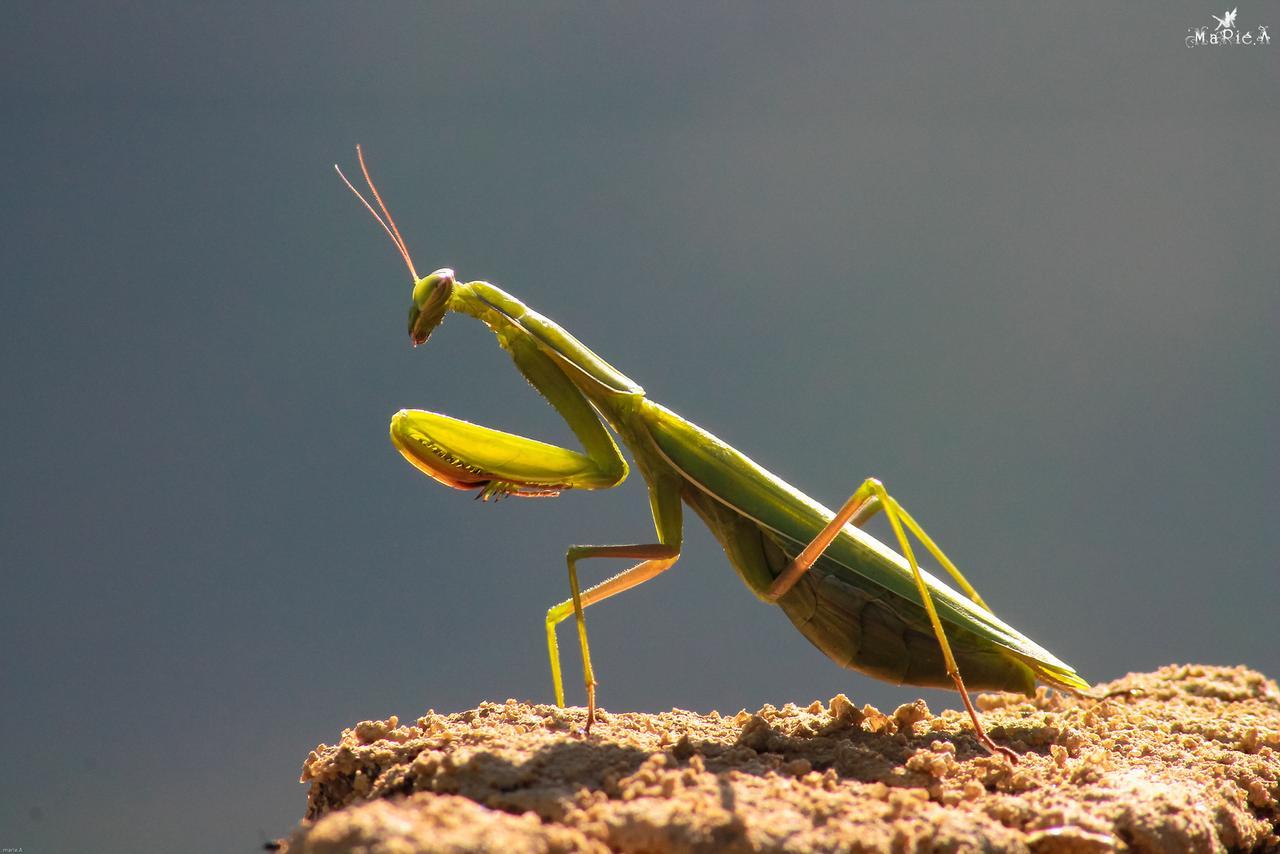
Insects (from Latin insectum ) are hexapod invertebrates of the class Insecta. They are the largest group within the arthropod phylum. Insects have a chitinous exoskeleton, a three-part body (head, thorax and abdomen), three pairs of jointed legs, compound eyes, and a pair of antennae.
View more
Jun 27, 2026Elias Ntezimana
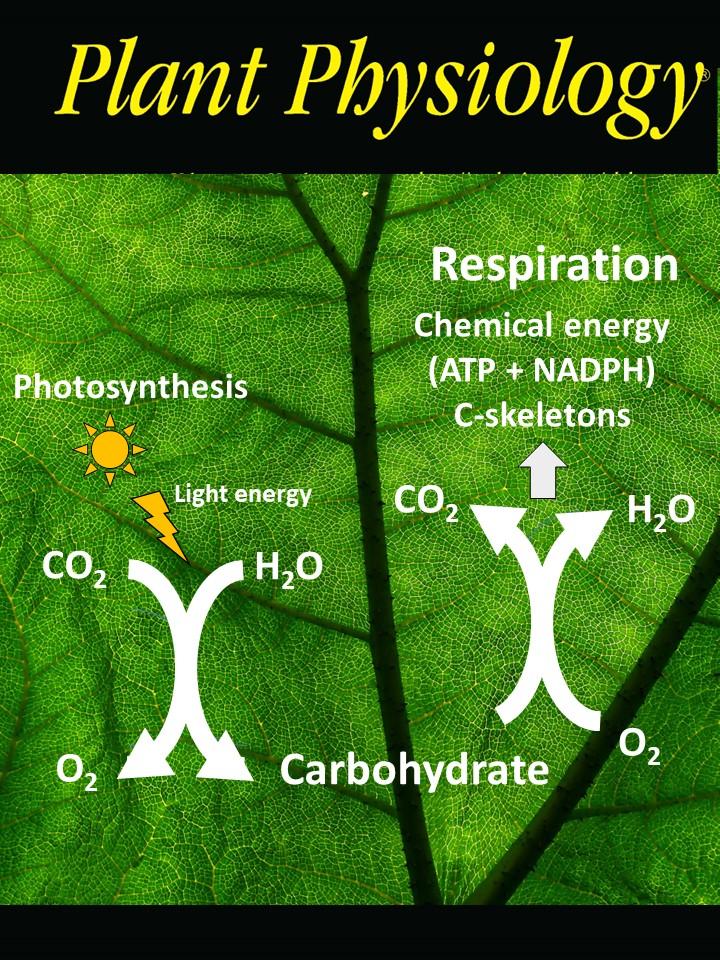
Plant physiology is the branch of botany that studies how plants function and carry out their life processes. It explains how plants absorb water and nutrients, produce food, grow, reproduce, respond to environmental stimuli, and survive under different environmental conditions
View more
Jun 27, 2026Elias Ntezimana
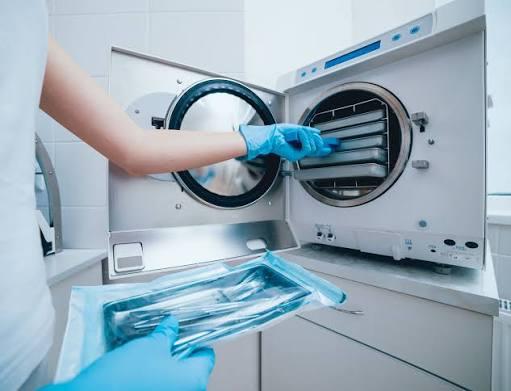
Sterilization is the process of completely destroying or removing all forms of microorganisms, including bacteria, viruses, fungi, spores, and parasites, from an object, surface, liquid, or biological materia
View more
Jun 27, 2026Elias Ntezimana
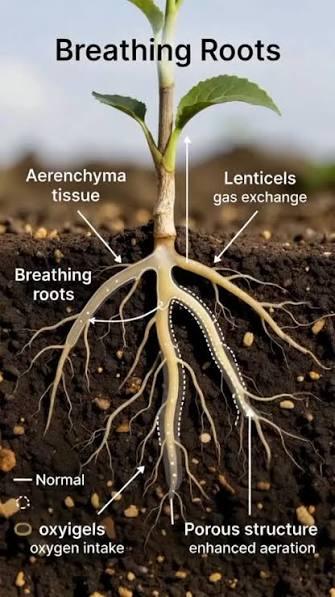
The root system is the underground part of a plant that anchors it firmly in the soil and absorbs water and mineral nutrients necessary for growth
View more
Jun 27, 2026Elias Ntezimana
Viruses are microscopic infectious agents that can reproduce only inside living cells. They are much smaller than bacteria and infect all forms of life, including humans, animals, plants, fungi, and bacteria. Viruses are responsible for many diseases worldwide and have a major impact on human health, agriculture, veterinary medicine, and the environment.
View more
Jun 27, 2026Elias Ntezimana
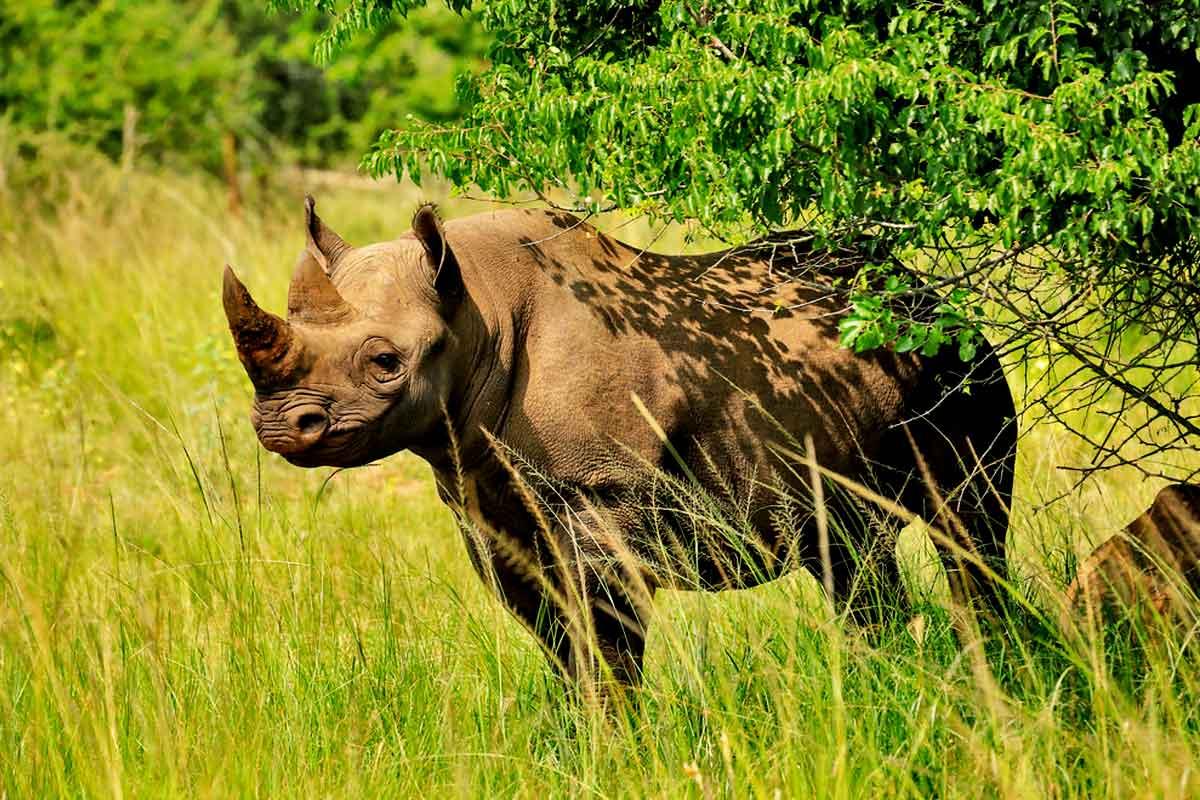
Animals live in a wide variety of environments known as habitats. A habitat is the natural place where an animal lives, grows, feeds, reproduces, and finds shelter
View more
Jun 27, 2026Elias Ntezimana
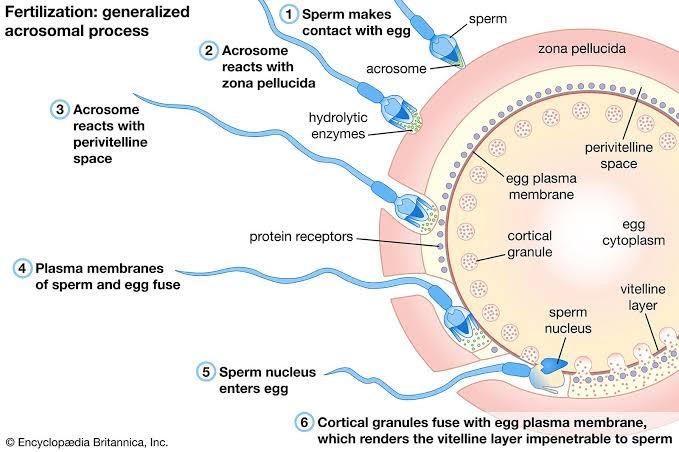
Mammalian fertilization is the biological process in which a sperm cell fuses with an egg cell (ovum) to form a zygote, the first cell of a new individual
View more
Jun 27, 2026Elias Ntezimana
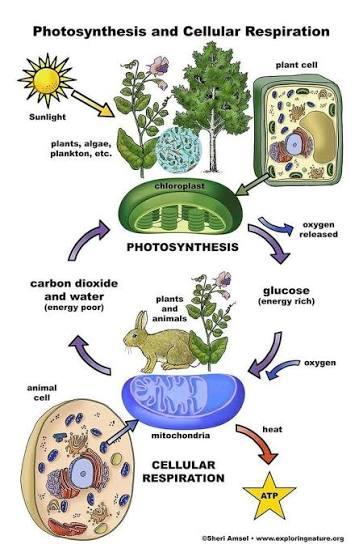
espiration is the biological process by which living organisms obtain oxygen, use it to produce energy from food, and eliminate carbon dioxide
View more
Your experience on this site will be improved by allowing cookies
Cookie Policy
These cookies are essential for the website to function properly.
These cookies help us understand how visitors interact with the website.
These cookies are used to deliver personalized advertisements.