

Absorption
Introduction
Absorption is one of the most important biological processes in living organisms. It is the process by which substances such as nutrients, water, minerals, gases, and other essential molecules move from one location into the cells, tissues, or bloodstream where they can be used by the body. In humans and animals, absorption mainly occurs after digestion in the small intestine, where digested nutrients pass through the intestinal wall into the blood and lymph. In plants, absorption mainly occurs through the roots, which take up water and mineral salts from the soil. Without absorption, living organisms would not obtain the nutrients and materials necessary for growth, energy production, repair, reproduction, and survival.
Definition
Absorption is the biological process by which substances move across a biological membrane from one medium into another, where they become available for use by cells and tissues.
The absorbed substances may include:
- Water
- Mineral salts
- Glucose
- Amino acids
- Fatty acids
- Vitamins
- Oxygen
- Carbon dioxide
- Drugs
- Other dissolved substances
Types of Absorption
Absorption occurs in both animals and plants.
1. Absorption in Humans and Animals
In animals, absorption mainly occurs in:
- Small intestine
- Large intestine
- Lungs
- Kidneys
- Skin (certain substances)
2. Absorption in Plants
Plants absorb:
- Water
- Mineral salts
- Carbon dioxide
- Certain nutrients
The main organs responsible are:
- Roots
- Root hairs
- Leaves (for gases)
Absorption in the Human Digestive System
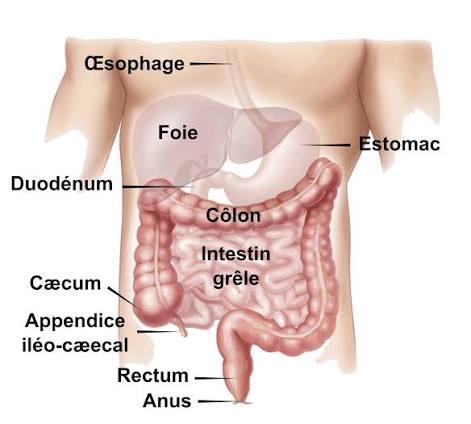
Most nutrient absorption occurs in the small intestine, especially in the:
- Duodenum
- Jejunum
- Ileum
The inner wall of the small intestine contains millions of:
- Circular folds
- Villi
- Microvilli
These structures greatly increase the surface area available for absorption.
Structure of the Intestinal Villi
Each villus contains:
- Blood capillaries
- Lacteals (lymphatic vessels)
- Epithelial cells
- Goblet cells
This structure allows rapid transport of nutrients into the bloodstream and lymphatic system.
Absorption of Different Nutrients
Carbohydrates
Carbohydrates are digested into glucose, fructose, and galactose.
These sugars are absorbed into the blood capillaries.
Proteins
Proteins are broken down into amino acids.
Amino acids enter the blood through active transport and facilitated diffusion.
Lipids
Fats are digested into:
- Fatty acids
- Glycerol
Inside intestinal cells they are reassembled into triglycerides, packaged into chylomicrons, and transported through the lacteals before entering the bloodstream.
Water
Most water is absorbed by osmosis through the small intestine, while additional water is absorbed in the large intestine.
Mineral Salts
Minerals such as:
- Calcium
- Iron
- Sodium
- Potassium
- Magnesium
are absorbed mainly in the small intestine.
Vitamins
Water-soluble vitamins (B-complex and C) enter the blood directly.
Fat-soluble vitamins (A, D, E, and K) are absorbed together with dietary fats.
Mechanisms of Absorption
Different mechanisms transport substances across membranes.
1. Passive Diffusion
Movement from a region of higher concentration to lower concentration without energy.
Examples:
- Oxygen
- Carbon dioxide
2. Facilitated Diffusion
Transport through carrier proteins without energy.
Example:
- Glucose transport.
3. Active Transport
Movement against the concentration gradient using ATP.
Examples:
- Sodium ions
- Calcium ions
- Amino acids
4. Osmosis
Movement of water through a selectively permeable membrane.
5. Endocytosis
Cells engulf large particles or molecules.
Absorption in Plants
Plants absorb water and minerals mainly through root hairs.
Water Absorption
Water enters root hairs by osmosis.
Mineral Absorption
Mineral ions are absorbed by active transport.
Gas Absorption
Leaves absorb:
- Carbon dioxide through stomata.
- Oxygen for respiration.
Factors Affecting Absorption
Several factors influence absorption efficiency.
Biological Factors
- Surface area available.
- Thickness of the membrane.
- Blood supply.
- Concentration gradient.
- Temperature.
- pH.
- Enzyme activity.
Nutritional Factors
- Diet composition.
- Vitamin deficiency.
- Mineral deficiency.
- Fiber content.
Health Factors
- Intestinal diseases.
- Infections.
- Inflammation.
- Surgery.
- Digestive disorders.
Importance of Absorption
Absorption is essential because it:
- Provides nutrients for energy.
- Supports growth.
- Repairs tissues.
- Maintains metabolism.
- Supplies minerals and vitamins.
- Maintains water balance.
- Supports immune function.
- Enables hormone production.
- Maintains normal body functions.
Disorders of Absorption
Impaired absorption may cause:
- Malnutrition.
- Vitamin deficiencies.
- Mineral deficiencies.
- Dehydration.
- Weight loss.
- Anemia.
- Chronic diarrhea.
- Fatigue.
Examples include:
- Celiac disease.
- Lactose intolerance.
- Crohn's disease.
- Short bowel syndrome.
Importance in Medicine
Understanding absorption helps physicians determine:
- Drug dosage.
- Nutrient requirements.
- Treatment of digestive diseases.
- Nutritional therapy.
- Oral medication effectiveness.
Importance in Agriculture
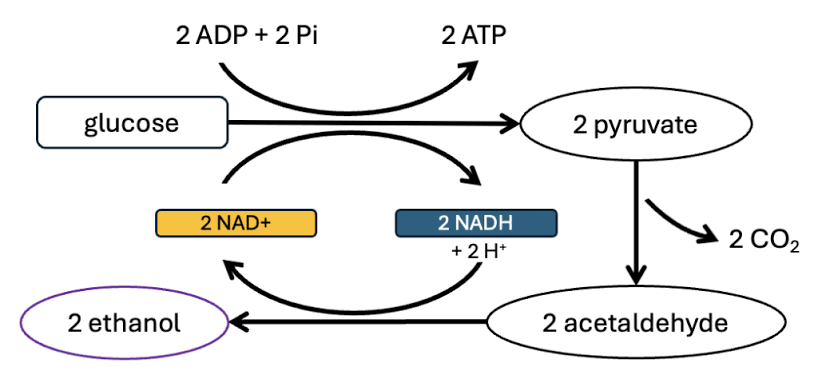
RESPIRATION AND FERMENTATION
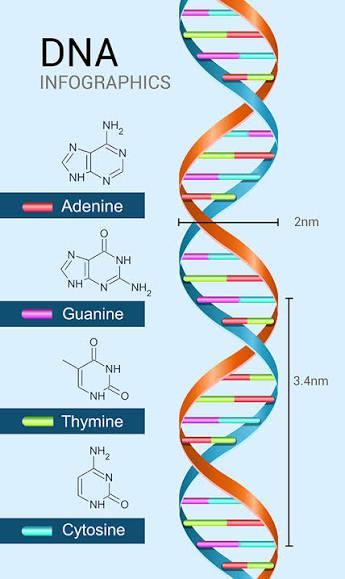
DNA (DEOXYRIBONUCLEIC ACID)
SENSITIVITY
HOMO SAPIENS
COMMUNICATION OF BIRDS
ONCHOCERCOSE
RESPIRATION AND FERMENTATION
DNA (DEOXYRIBONUCLEIC ACID)
SENSITIVITY
PLATYHELMINTHES (FLATWORMS)
HOMO SAPIENS
COMMUNICATION OF BIRDS

COMMUNICATION OF BIRDS
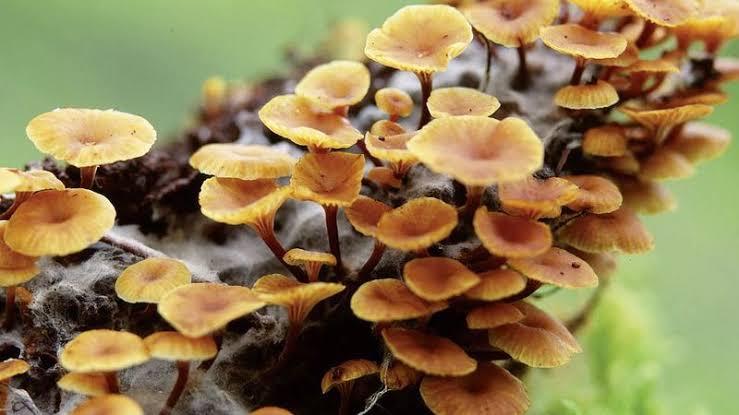
IMPORTANCE OF FUNGI IN LIFE
STARFISH (SEA STAR)
EPIPHYTIC PLANTS
TUBER PLANTS
SNAKE SPECIES
IMPORTANCE OF FUNGI IN LIFE
TUBER PLANTS
Absorption
Balanced Diet
MPORTANCE OF FRUITS IN THE HUMAN BODY
Food Chain: The Transfer of Energy in Ecosystems
In plants, efficient absorption:
- Improves crop growth.
- Increases agricultural productivity.
- Enhances fertilizer efficiency.
- Promotes healthy root development.
- Improves resistance to environmental stress.
Conclusion
Absorption is a vital biological process that allows living organisms to obtain essential nutrients, water, minerals, and gases required for survival. In humans, absorption occurs mainly in the small intestine, while in plants it takes place primarily through the roots. Different transport mechanisms, including diffusion, osmosis, facilitated diffusion, active transport, and endocytosis, ensure that substances reach cells where they are needed. Proper absorption supports growth, metabolism, reproduction, tissue repair, and overall health, making it one of the most fundamental processes in biology.
Tinggalkan komentar
Alamat email Anda tidak akan dipublikasikan. Kolom yang wajib diisi ditandai *