

Scientific progress today is driven by powerful computing systems, global collaboration, and access to massive amounts of data. In medicine, researchers are developing advanced treatments such as gene therapy, personalized medicine, and rapid vaccine production, which have already changed how diseases are treated and prevented. In technology, artificial intelligence and robotics are evolving quickly, automating tasks and creating new possibilities in industries such as transport, education, and communication. Space exploration has also entered a new era, with reusable rockets and missions aiming for Mars and beyond.

Meet Termux.
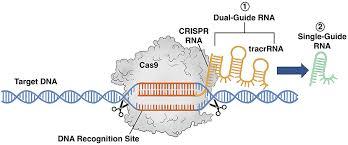
CRISPR: The Revolutionary Gene-Editing Technology Transforming Biology
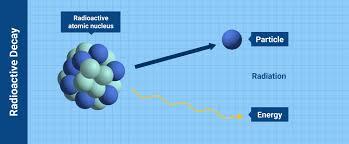
Radioactivity: The Invisible Energy from Atomic Nuclei
Thermodynamics
Science in the 21st Century: Progress at Unprecedented Speed
Nvidia Launches New Windows Processor to Compete with Intel in the AI Era
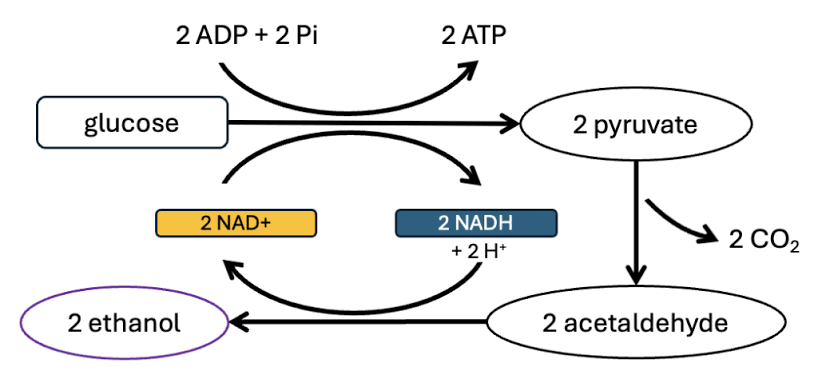
RESPIRATION ET FERMENTATION
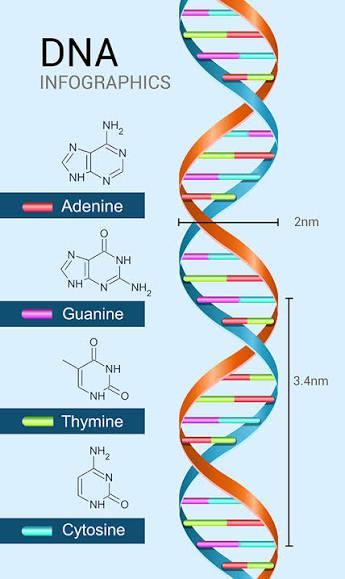
DNA (DEOXYRIBONUCLEIC ACID)

SENSITIVITY
PLATYHELMINTHES (FLATWORMS)
HOMO SAPIENS
COMMUNICATION OF BIRDS
RESPIRATION ET FERMENTATION

Climate Change: One of the Greatest Challenges of Our Time

How the Body Reacts to Danger: The Two Stress Hormones
The Oceans: Vital for Climate, Life, and Human Survival
Is Nature Angry?
Cadmium: The Toxic Heavy Metal Raising Health Concerns
Radioactivity: The Invisible Energy from Atomic Nuclei

Thermodynamics
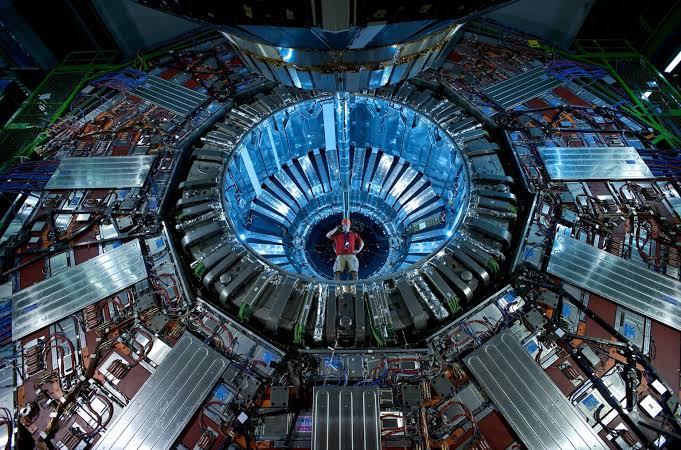
Science in the 21st Century: Progress at Unprecedented Speed
Time and Space in Physics
Why Is Albert Einstein Called the Father of Modern Physics?
Quantum Physics: Understanding the Invisible World
RESPIRATION ET FERMENTATION
Meet Termux.
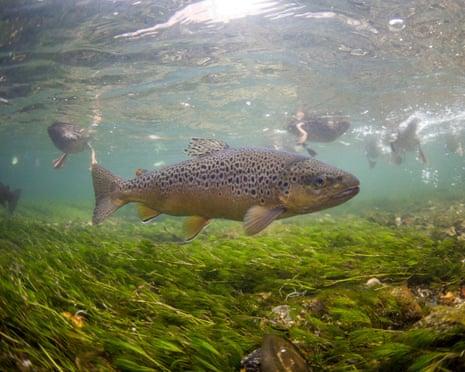
A common pesticide reduces the lifespan of fish even at low doses, a study reveals.
The Endocrine System
The Theory of Darwin (Theory of Evolution)
Factors That Influence Plant Growth
Meet Termux.

PLATYHELMINTHES (FLATWORMS)

SEA CUCUMBER
The Theory of Darwin (Theory of Evolution)
Does Pollution Destroy Biodiversity?
Origin of Life
This rapid growth is also visible in energy and environmental science, where renewable energy sources like solar and wind power are becoming more efficient and widely used in response to climate change. At the same time, digital innovation continues to reshape society, making information more accessible and connecting people across the world instantly.
However, this fast progress also brings challenges, including ethical concerns, job displacement due to automation, and the need for regulations to ensure responsible use of technology. Despite these issues, the overall impact of 21st-century science remains transformative, pushing humanity into a new era of possibilities and redefining what is achievable in a relatively short time.
Leave a comment
Your email address will not be published. Required fields are marked *