TopCrawlers - Nền tảng toàn cầu đa ngôn ngữ về tin tức, công nghệ và tri thức số.

collapse
...
Trang chủ / Scientific Revolution / Science in the 21st Century: Progress at Unprecedented Speed

Science in the 21st Century: Progress at Unprecedented Speed

Th06 04, 2026  Elias Ntezimana  115 lượt xem

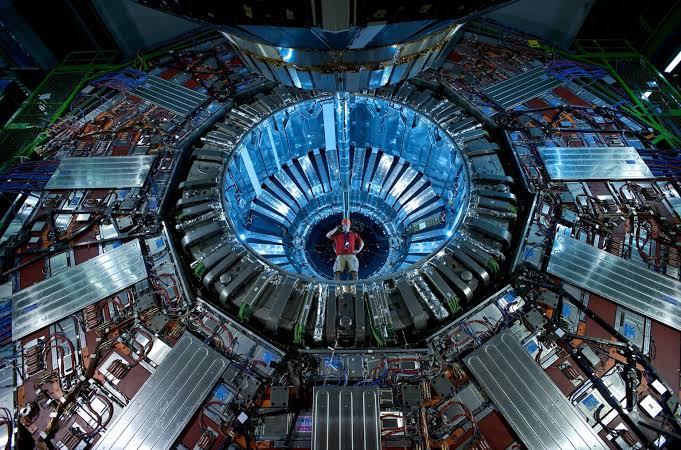
Scientific progress today is driven by powerful computing systems, global collaboration, and access to massive amounts of data. In medicine, researchers are developing advanced treatments such as gene therapy, personalized medicine, and rapid vaccine production, which have already changed how diseases are treated and prevented. In technology, artificial intelligence and robotics are evolving quickly, automating tasks and creating new possibilities in industries such as transport, education, and communication. Space exploration has also entered a new era, with reusable rockets and missions aiming for Mars and beyond.

Technologies
Meet Termux.

Meet Termux.

Th07 06, 2026 Elias Ntezimana
Have you ever wondered if your Android phone could do much more than just run apps? What if a single app could replace video downloaders, FTP tools, SSH clients, file managers, and even help you learn programming—all from your phone?
CRISPR: The Revolutionary Gene-Editing Technology Transforming Biology
CRISPR: The Revolutionary Gene-Editing Technology Transforming Biology

Radioactivity: The Invisible Energy from Atomic Nuclei

Radioactivity: The Invisible Energy from Atomic Nuclei

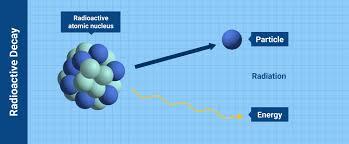
Radioactivity is a natural phenomenon in which unstable atomic nuclei emit radiation and transform into more stable forms. It has played a major role in the development of modern science, medicine, industry, and energy production.

Thermodynamics

Science in the 21st Century: Progress at Unprecedented Speed

Nvidia Launches New Windows Processor to Compete with Intel in the AI Era
biology
RESPIRATION AND FERMENTATION

RESPIRATION AND FERMENTATION

Th07 06, 2026 Elias Ntezimana
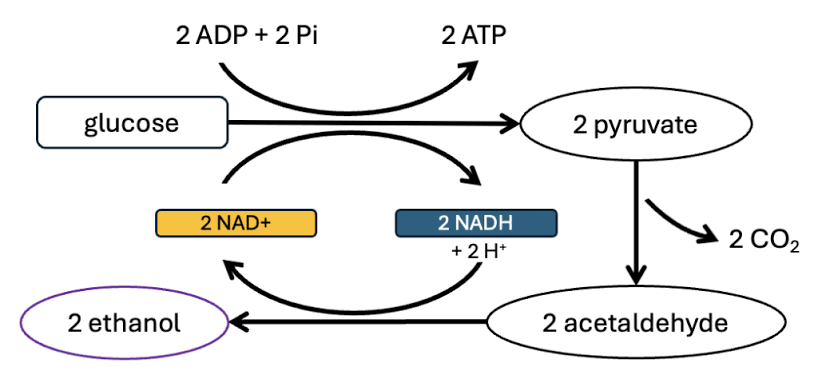
Respiration and fermentation are two biological processes used by living organisms to release energy from food, especially glucose. Respiration is the main and most efficient way cells produce energy, while fermentation is an alternative process used when oxygen is not available.
DNA (DEOXYRIBONUCLEIC ACID)

DNA (DEOXYRIBONUCLEIC ACID)

DNA (Deoxyribonucleic Acid) is the hereditary material of almost all living organisms. It stores, copies, and transmits the genetic information required for growth, development, reproduction, metabolism, and the functioning of every living cell.
SENSITIVITY

SENSITIVITY

ensitivity is the ability of a living organism to detect changes (stimuli) in its internal or external environment and respond appropriately.

PLATYHELMINTHES (FLATWORMS)

HOMO SAPIENS

COMMUNICATION OF BIRDS

chemistry
RESPIRATION AND FERMENTATION

RESPIRATION AND FERMENTATION

Th07 06, 2026 Elias Ntezimana
Respiration and fermentation are two biological processes used by living organisms to release energy from food, especially glucose. Respiration is the main and most efficient way cells produce energy, while fermentation is an alternative process used when oxygen is not available.
Climate Change: One of the Greatest Challenges of Our Time
Climate Change: One of the Greatest Challenges of Our Time

Climate change is transforming the planet through rising temperatures, extreme weather events, and growing environmental pressures.
How the Body Reacts to Danger: The Two Stress Hormones

How the Body Reacts to Danger: The Two Stress Hormones

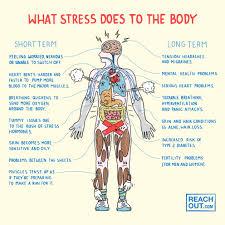
When the human body faces danger or stress, it activates a rapid biological response controlled mainly by two key hormones.

The Oceans: Vital for Climate, Life, and Human Survival

Is Nature Angry?

Cadmium: The Toxic Heavy Metal Raising Health Concerns

Science Education
Radioactivity: The Invisible Energy from Atomic Nuclei
Radioactivity: The Invisible Energy from Atomic Nuclei

Th06 11, 2026 Elias Ntezimana
Radioactivity is a natural phenomenon in which unstable atomic nuclei emit radiation and transform into more stable forms. It has played a major role in the development of modern science, medicine, industry, and energy production.
Thermodynamics

Thermodynamics

Thermodynamics is the branch of science that studies energy, heat, work, and the laws governing their transformations in physical, chemical, and biological systems.
Science in the 21st Century: Progress at Unprecedented Speed

Science in the 21st Century: Progress at Unprecedented Speed

The 21st century is marked by an extraordinary acceleration of scientific discovery and technological innovation.

Time and Space in Physics

Why Is Albert Einstein Called the Father of Modern Physics?

Quantum Physics: Understanding the Invisible World

Scientific Theories
RESPIRATION AND FERMENTATION

RESPIRATION AND FERMENTATION

Th07 06, 2026 Elias Ntezimana
Respiration and fermentation are two biological processes used by living organisms to release energy from food, especially glucose. Respiration is the main and most efficient way cells produce energy, while fermentation is an alternative process used when oxygen is not available.
Meet Termux.

Meet Termux.

Have you ever wondered if your Android phone could do much more than just run apps? What if a single app could replace video downloaders, FTP tools, SSH clients, file managers, and even help you learn programming—all from your phone?
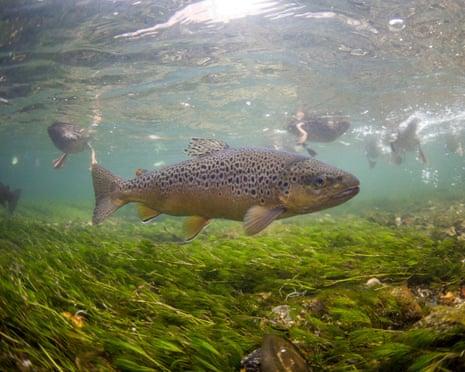
A common pesticide reduces the lifespan of fish even at low doses, a study reveals.

A common pesticide reduces the lifespan of fish even at low doses, a study reveals.

Pesticides are ubiquitous in aquatic ecosystems, even far from agricultural areas.

The Endocrine System

The Theory of Darwin (Theory of Evolution)

Factors That Influence Plant Growth

Scientific Revolution
Meet Termux.

Meet Termux.

Th07 06, 2026 Elias Ntezimana
Have you ever wondered if your Android phone could do much more than just run apps? What if a single app could replace video downloaders, FTP tools, SSH clients, file managers, and even help you learn programming—all from your phone?
PLATYHELMINTHES (FLATWORMS)

PLATYHELMINTHES (FLATWORMS)

Platyhelminthes, commonly known as flatworms, are simple, soft-bodied invertebrate animals with flattened bodies.
SEA CUCUMBER

SEA CUCUMBER

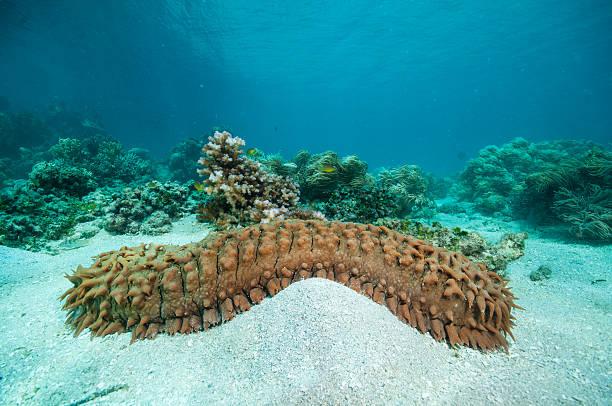
he sea cucumber is a soft-bodied marine invertebrate belonging to the phylum Echinodermata and the class Holothuroidea.

The Theory of Darwin (Theory of Evolution)

Does Pollution Destroy Biodiversity?

Origin of Life

This rapid growth is also visible in energy and environmental science, where renewable energy sources like solar and wind power are becoming more efficient and widely used in response to climate change. At the same time, digital innovation continues to reshape society, making information more accessible and connecting people across the world instantly.

However, this fast progress also brings challenges, including ethical concerns, job displacement due to automation, and the need for regulations to ensure responsible use of technology. Despite these issues, the overall impact of 21st-century science remains transformative, pushing humanity into a new era of possibilities and redefining what is achievable in a relatively short time.


Chia sẻ:

Để lại bình luận

Địa chỉ email của bạn sẽ không được công khai. Các trường bắt buộc được đánh dấu *

Trải nghiệm của bạn trên trang web này sẽ được cải thiện bằng cách cho phép cookie Chính sách Cookie