Th06 27, 2026Elias Ntezimana
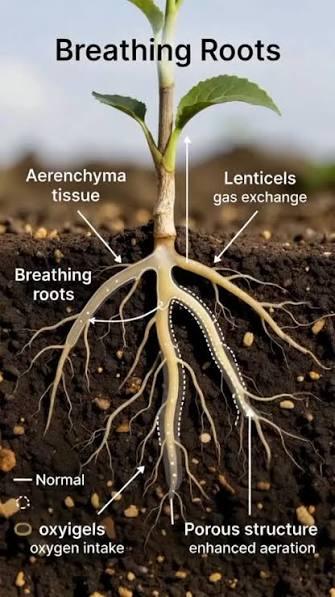
The root system is the underground part of a plant that anchors it firmly in the soil and absorbs water and mineral nutrients necessary for growth
Xem thêm
Th06 27, 2026Elias Ntezimana
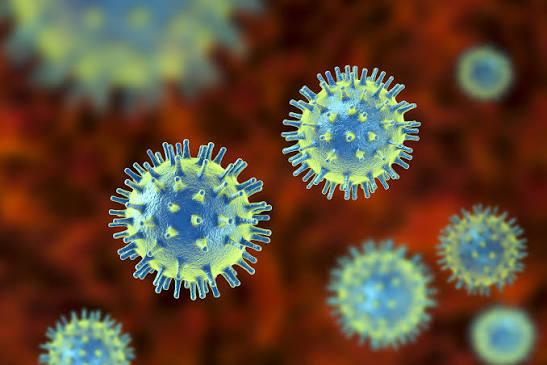
Viruses are microscopic infectious agents that can reproduce only inside living cells. They are much smaller than bacteria and infect all forms of life, including humans, animals, plants, fungi, and bacteria. Viruses are responsible for many diseases worldwide and have a major impact on human health, agriculture, veterinary medicine, and the environment.
Xem thêm
Th06 27, 2026Elias Ntezimana
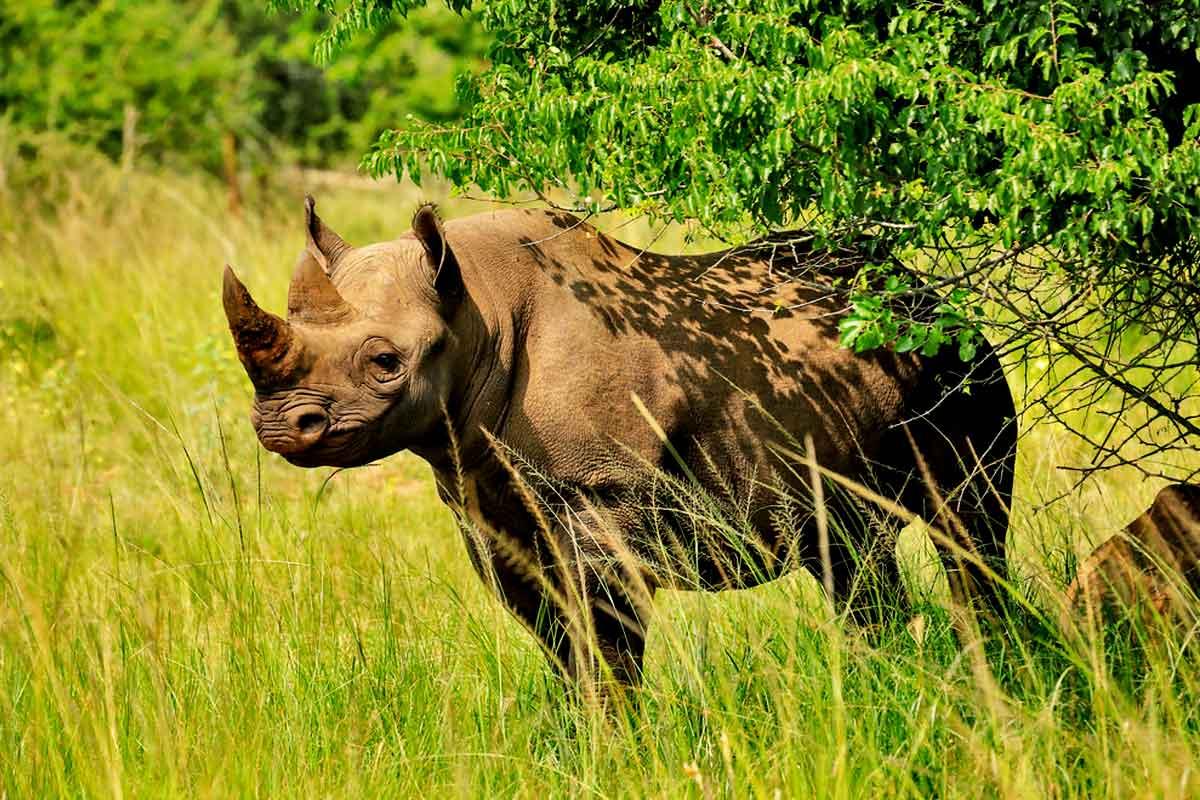
Animals live in a wide variety of environments known as habitats. A habitat is the natural place where an animal lives, grows, feeds, reproduces, and finds shelter
Xem thêm
Th06 27, 2026Elias Ntezimana
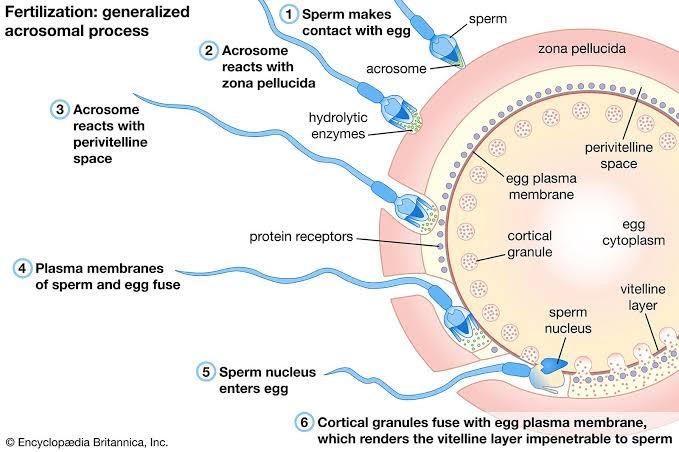
Mammalian fertilization is the biological process in which a sperm cell fuses with an egg cell (ovum) to form a zygote, the first cell of a new individual
Xem thêm
Th06 27, 2026Elias Ntezimana
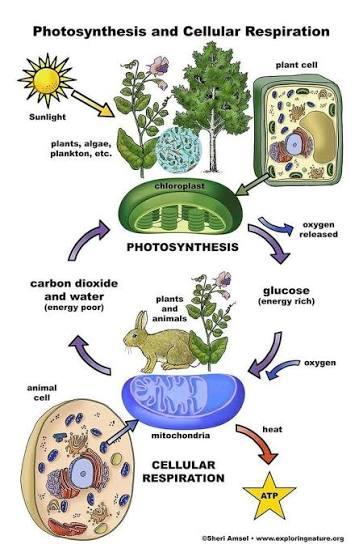
espiration is the biological process by which living organisms obtain oxygen, use it to produce energy from food, and eliminate carbon dioxide
Xem thêm
Th06 27, 2026Elias Ntezimana
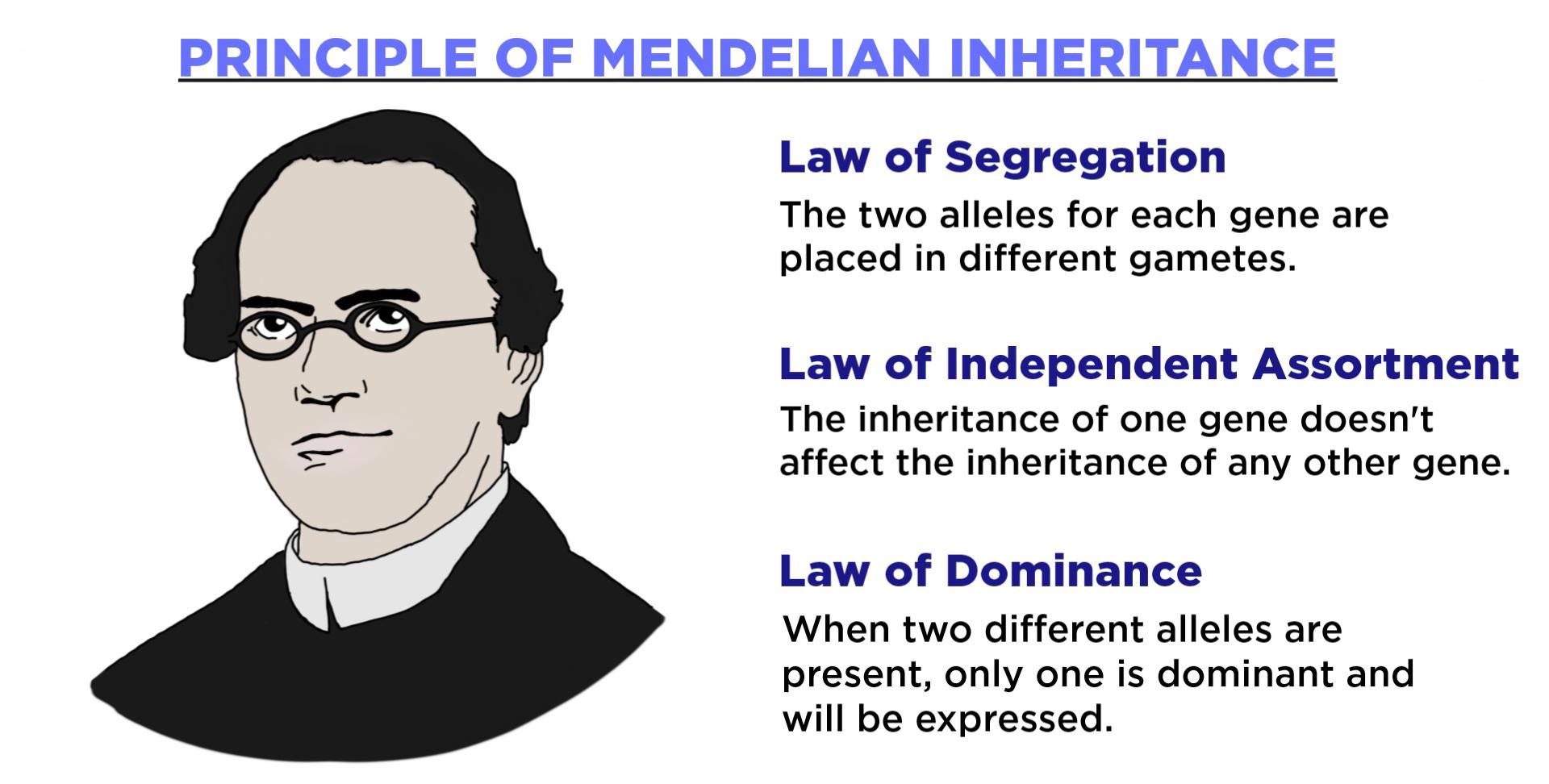
Mendel's Laws are the fundamental principles of heredity that explain how traits are passed from parents to their offspring.
Xem thêm
Th06 27, 2026Elias Ntezimana
lycemia, also known as blood glucose level, refers to the concentration of glucose (sugar) present in the blood. Glucose is the body's primary source of energy and is essential for the normal functioning of the brain, muscles, and other organs
Xem thêm
Th06 24, 2026Elias Ntezimana
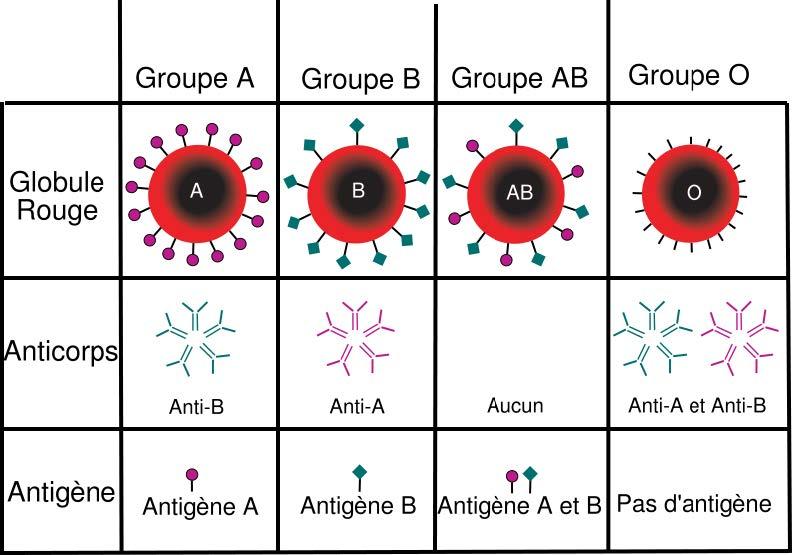
Blood groups are classifications of blood based on the presence or absence of specific antigens on the surface of red blood cells. Understanding blood groups is essential in medicine because they play a crucial role in blood transfusions, organ transplantation, and pregnancy management.
Xem thêm
Th06 24, 2026Elias Ntezimana
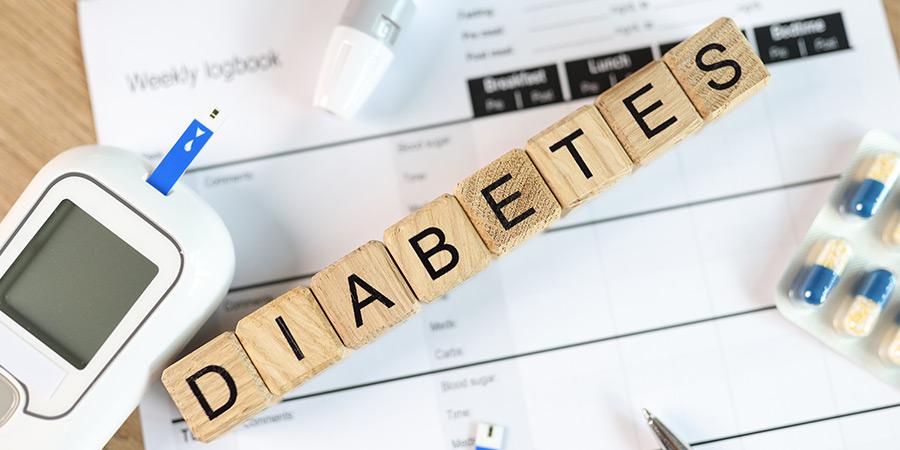
Diabetes mellitus is a chronic metabolic disease characterized by high levels of glucose (sugar) in the blood. It occurs when the body does not produce enough insulin or cannot effectively use the insulin it produces.
Xem thêm
Th06 24, 2026Elias Ntezimana
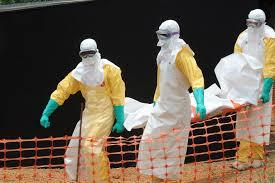
Ebola remains one of the most dangerous viral diseases in the world. Known for causing severe hemorrhagic fever, the virus continues to raise concerns whenever outbreaks occur because of its high mortality rate and its impact on communities and health systems.
Xem thêm
Th06 24, 2026Elias Ntezimana
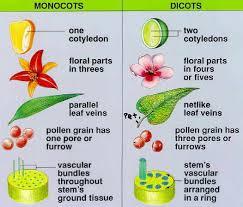
Dicotyledons, commonly called dicots, are a major group of flowering plants characterized by the presence of two cotyledons in their seeds
Xem thêm
Th06 24, 2026Elias Ntezimana
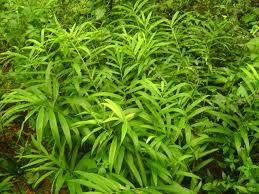
Monocotyledons, commonly called monocots, are a major group of flowering plants (angiosperms) characterized by the presence of a single cotyledon in the seed. They include many economically important plants such as rice, wheat, maize, sugarcane, palms, orchids, and lilies.
Xem thêm
Trải nghiệm của bạn trên trang web này sẽ được cải thiện bằng cách cho phép cookie
Chính sách Cookie
Những cookie này là cần thiết để trang web hoạt động đúng cách.
Những cookie này giúp chúng tôi hiểu cách khách truy cập tương tác với trang web.
Những cookie này được sử dụng để cung cấp quảng cáo cá nhân hóa.